
Peptide Therapy
Peptide Therapy for Personalized Health and Wellness.
Peptide therapy uses specific peptides to influence biological signaling pathways involved in processes such as metabolism, hormone signaling, tissue health, and recovery. At Nava Health, peptide therapy is incorporated into a personalized care plan based on your health history, goals, and clinical needs.


What Is Peptide Therapy?
Peptide therapy is a form of treatment that uses specific peptides to influence biological signaling pathways in the body. Peptides are short chains of amino acids, and different peptides can interact with different receptors and biological processes. Depending on the specific therapy, researchers and clinicians have investigated peptides in areas such as metabolic health, hormone signaling, tissue repair, recovery, and other aspects of health.
The evidence, FDA approval status, and appropriate uses vary significantly between individual peptides. A qualified healthcare provider should determine whether a specific peptide therapy is appropriate based on your health history, goals, and clinical needs.
How It Works
We don’t guess; we test. Your peptide journey is guided by data.
Our proven process and advanced diagnostic testing ensures you get the answers you deserve.

Schedule your labs
Start with advanced lab testing that analyzes over 80 biomarkers to uncover hidden imbalances and guide your personalized care.

Consult with medical and nutrition experts
A medical provider and functional nutritionist review your results together and build a clear picture of your hormonal health.

Start your personalized treatment plan
Based on your labs and goals, we’ll create a custom plan with targeted treatments and lifestyle strategies to help you feel your best.

Track and optimize results
Stay on course with regular follow-ups and real-time progress tracking as your plan evolves to meet your body’s changing needs.
Complete Care
How Peptide Therapy Works & Potential Applications
Different peptides have been studied or used in different clinical contexts. The appropriate application depends on the specific peptide, available evidence, regulatory status, and the individual’s health needs. Nava Health evaluates these factors when determining whether peptide therapy may be appropriate.

Metabolic & Fat Loss Peptides
Struggling with stubborn fat that just won’t budge no matter how clean you eat or how hard you train? These peptides work at the cellular level — fixing the way your body processes energy, burns fat, and manages blood sugar so your efforts actually pay off.
- Semaglutide: Semaglutide is a GLP-1 receptor agonist medication that can be prescribed for specific FDA-approved indications, including certain forms of chronic weight management. It works in part by influencing appetite regulation and glucose metabolism. Your provider can determine whether semaglutide is appropriate based on your health history and treatment goals.
- Tirzepatide: Tirzepatide is a GIP and GLP-1 receptor agonist used for specific FDA-approved indications. It influences appetite and glucose metabolism and may support weight management when prescribed appropriately. Your provider can determine whether Tirzepatide is appropriate based on your health profile and treatment goals.
- 5-Amino-1MQ: Your metabolism has an on/off switch — and for many people, it’s stuck in the wrong position. 5-Amino-1MQ flips it back on, helping your body tap into fat stores for energy instead of just holding onto them. The result? Less stubborn body fat and steady energy that actually lasts through the day.
- MOTS-c: Imagine getting some of the metabolic benefits of a workout — without the workout. MOTS-c signals your cells to behave as if they’re exercising, which means better stamina, smarter carb metabolism, and a body that’s more efficient at everything it does.
- SLU-PP-332: If you hit an energy wall halfway through your workout — or halfway through your day — this one’s worth knowing about. SLU-PP-332 trains your body to use fat as its primary fuel source, so you go longer, push harder, and manage your weight more effectively over time.
- SS-31: Fatigue that doesn’t go away after sleep isn’t just “being tired” — it’s often a sign your cells aren’t producing energy the way they should. SS-31 works inside the mitochondria to restore that process, leaving you feeling clearer, more energized, and genuinely well.
Repair, Recovery & Beauty Peptides
Whether you’re dealing with an old injury that never fully healed, chronic joint pain, or skin that’s starting to show your age — your body has a remarkable ability to repair itself. These peptides give it the signal it needs to actually do that.
- BPC-157: BPC-157 is an investigational peptide that has been studied primarily in preclinical models for potential effects involving tissue repair, inflammation, and gastrointestinal health
- BPC-157 + TB-500: When injury recovery feels stuck, this combination gets
things moving again. BPC-157 and TB-500 work as a team — one targets local tissue repair while the other promotes healing at a systemic level. Together, they help with the kind of deep, stubborn pain and damage that nothing else seems to touch. - ARA-290: Nerve pain is in a category of its own — burning, tingling, or “pins and needles” that can make everyday life miserable. ARA-290 is specifically designed to reduce that kind of neurological inflammation, offering real relief where other treatments often fall short.
- GHK-Cu: This copper peptide is what your skin, hair, and connective tissue have been asking for. It stimulates collagen production, speeds up the healing of scars and surface wounds, and gives hair a noticeably thicker, healthier appearance. It’s anti-aging from the inside out.
- Glow (BPC-157 + GHK-Cu + TB-500): Our signature beauty and recovery blend. We call it Glow because that’s exactly what people notice — a visible softening of skin, a reduction in inflammation throughout the body, and an overall radiance that comes from healing at every level. It’s three powerful peptides working as one.
Hormone Optimization & Performance Peptides
After your mid-30s, growth hormone levels start to decline — and you feel it. Less muscle, more fat, slower recovery, and workouts that just don’t produce results the way they used to. These peptides help restore what time has taken away, without the risks of direct hormone replacement.
- CJC-1295: Rather than replacing your growth hormone, CJC-1295 nudges your own body to make more of it. The effects tend to be gradual and natural-feeling — deeper sleep, better body composition, and a slow but steady shift toward a leaner, more energized version of you.
- CJC-1295 with DAC: Same benefits as CJC-1295, but with a longer half-life that means fewer injections. If you want the results without the daily commitment, this is a convenient and highly effective option.
- Tesamorelin + Ipamorelin: Belly fat — especially the deep, visceral kind around your organs — is one of the hardest things to shift with diet and exercise alone. This combination specifically targets that area, and the results in waist measurements and muscle definition are often among the most visible of any peptide protocol we offer.
- IGF-1 LR3: For anyone serious about building or preserving muscle, IGF-1 LR3 is a powerful ally. It acts like a direct growth signal to your muscle cells, speeding up recovery and helping you build meaningful strength even when your natural hormone levels are working against you.
Brain, Sleep & Longevity Peptides
Feeling mentally foggy, wired but tired, or like you’re running on empty no matter how much you rest? These peptides address the deeper biological reasons behind poor sleep, brain fog, weakened immunity, and accelerated aging — helping you feel sharp, resilient, and genuinely restored.
- Semax + Selank: Most cognitive enhancers make you feel focused but anxious — like too much caffeine. This combination is different. Semax sharpens your thinking and memory while Selank keeps you calm and grounded, so you get genuine mental performance without the edge or the crash.
- Thymosin Alpha-1: Your immune system is your body’s first line of defense — but chronic stress, poor sleep, and aging can quietly erode it over time. Thymosin Alpha-1 essentially retrains your immune system to be more responsive, more precise, and more resilient against everything from seasonal illness to chronic inflammation.
- VIP (Vasoactive Intestinal Peptide): If you’ve been exposed to mold, environmental toxins, or Lyme disease, VIP may be one of the most important peptides on this list. It helps regulate blood flow, hormone signaling, and neurological function — clearing the kind of deep, systemic brain fog that most treatments miss entirely.
- Epithalon: This peptide works at the level of your DNA, helping to protect the telomeres that determine how your cells age. Beyond its anti-aging effects, Epithalon also helps reset your circadian rhythm, making it one of the best options for people whose sleep has been off for years and who want long-term results, not just a quick fix.
- DSIP (Delta Sleep-Inducing Peptide): Named for what it does, DSIP helps your brain achieve the deepest, most restorative stages of sleep — the kind most of us haven’t experienced since we were young. If you’ve been waking up exhausted despite a full night in bed, this peptide addresses the root of that problem.
- LL-37: Good health starts in the gut — and LL-37 helps keep it that way. This natural antimicrobial peptide helps balance your gut microbiome, keeping harmful bacteria in check while supporting the kind of digestive environment where you actually absorb the nutrients you eat.
- MT-2 (Melanotan II): MT-2 stimulates your skin’s natural melanin production for a deep, even tan without UV exposure. It also has a well-documented effect on libido, making it a popular choice for those looking to address both cosmetic goals and sexual vitality at the same time.
The Science of Peptide Therapy

Targeted Signaling
Peptides can act as signaling molecules by interacting with specific receptors or biological pathways. The effects depend on the individual peptide and the biological system involved.

Synergistic Healing
Peptide therapy may be considered alongside nutrition, lifestyle changes, and other appropriate treatments. The role of each therapy should be determined based on the individual’s health needs rather than assuming that combining treatments will produce a greater effect.

Restoring Homeostasis
Aging and chronic stress disrupt the body’s natural balance (homeostasis). Peptide therapy helps hit the “reset” button, reminding your body how to function as it did when you were younger, more resilient, and energetic.
What if your medical team actually helped you live a longer, healthier life?
Lives Improved
Client Satisfaction
Biomarkers Tested
Members Improved Biomarkers in 3 Months
Symptoms & Conditions
Symptoms & Conditions That May Benefit From Peptide Therapy
Peptide therapy isn’t a single solution for a single problem. It’s a clinical tool that may be appropriate when certain patterns show up in your labs, your symptoms, and your health history. If any of the following sound familiar, it may be worth having a conversation with a Nava provider.

Stubborn Weight Gain
You’ve changed your diet, you’re moving more, and the scale still isn’t cooperating. When weight loss stalls despite genuine effort, it’s often a sign that something metabolic or hormonal is working against you. A Nava provider can evaluate whether your biology is the barrier and whether a clinician-guided protocol may be an appropriate next step.
Chronic Fatigue and Low Energy
Fatigue that doesn’t improve with sleep isn’t just tiredness. It’s a signal that something in your body isn’t producing or using energy the way it should. If low energy is affecting your work, your workouts, or your ability to show up the way you want to, your biomarkers may tell a story worth exploring.
Slow or Stalled Recovery
Whether it’s an old injury that never fully healed, joint pain that lingers, or a body that takes longer to bounce back than it used to, slow recovery often reflects more than just age. Nava’s providers evaluate what’s contributing to your recovery challenges before determining whether any additional clinical support may be appropriate.
Brain Fog and Difficulty Concentrating
Struggling to focus, forgetting things you shouldn’t, or feeling mentally slow despite getting enough sleep are symptoms that deserve a clinical look, not just a caffeine fix. Brain fog can have multiple root causes, and identifying them through comprehensive biomarker testing is how Nava approaches cognitive concerns.
Visible Signs of Aging
Changes in skin elasticity, hair thinning, and shifts in body composition are normal parts of aging, but they’re also connected to what’s happening at the cellular level. If these changes feel accelerated or are affecting your confidence, a Nava provider can evaluate contributing factors and discuss whether any clinician-guided options may be appropriate for your goals.
Low Libido or Sexual Health Concerns
Reduced drive, changes in sexual function, or a general decline in vitality are often tied to hormonal shifts that don’t always show up on a standard blood panel. Nava evaluates a broad range of biomarkers to understand what’s actually going on and whether there are clinically appropriate options worth discussing.
Digestive Issues and Gut Discomfort
Chronic bloating, irregular digestion, or gut symptoms that haven’t resolved with standard approaches can point to deeper imbalances in the gut environment. Because gut health affects everything from immunity to mood to metabolism, Nava’s providers look at it as part of the whole picture, not in isolation.
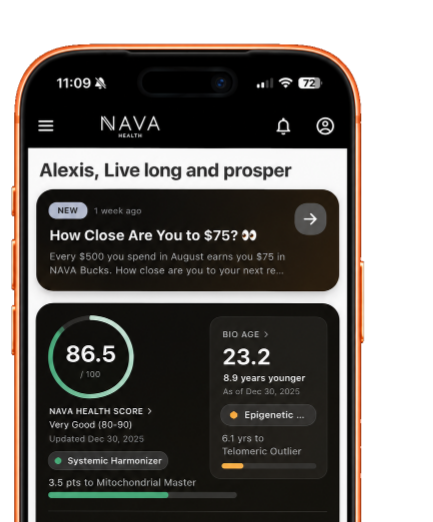
DOWNLOAD THE NAVA APP
Your health, fully connected.
Track your progress, review labs, and message your care team—everything you need to feel supported, stay accountable, and optimize your health in one place. This is where clarity, confidence, and long-term health begin.


What to Look for in a Peptide Therapy Clinic
Peptide therapy has grown quickly in popularity, and so has the number of providers offering it. Not all of them operate the same way. At Nava, peptide therapy is a prescription service managed by licensed medical providers, not a supplement you add to your cart. Here’s what that actually means for your care.

Your Evaluation Comes First
Nava Health is an integrative medical practice where peptide therapy is considered as part of a broader healthcare plan and managed by qualified healthcare providers.
Data-Informed Care
Nava Health uses laboratory testing and other health information to help providers understand your individual health profile and inform personalized treatment recommendations.
Holistic Integration
Peptide therapy can be considered alongside nutrition, hormone health, lifestyle strategies, and other appropriate aspects of your care.
Quality Assurance
We only use verified, high-purity peptides, sourced in the U.S. Peptide therapy is not a cure, and it’s not right for everyone. Outcomes vary by individual, compound, and health status. Your Nava provider will set realistic expectations during your consultation and tell you if a different approach is a better fit for your goals.




“Since I made the decision to take my health into my own hands, I am feeling so much better. I went to Nava with no energy, brain fog, stomach issues and aches and pains. My regular doctors found nothing and haven’t addressed anything. I had complete blood work here and discovered hormone imbalances and other issues that are all being addressed.”

“The attention to my health needs has been a wonderful change from my PCP. I always look forward to meeting with my nutritionist, Ryan. Samantha has helped me reach some goals I thought I could not.”

“I was always looking for a healthier lifestyle and stay away from modern medicines with all their side effects. These years have been a great experience. I highly recommend this for everyone who wants better health.”

“Becoming a member of Nava Health & Vitality has been the best thing I’ve ever done. Every time I arrive, I’m greeted by friendly people who are knowledgeable and professional.”

“My journey to be happier and healthier mentally and physically has been trying and stressful over the years. Not finding the doctors or medical facilities to really take those time to work with me patiently to help me. However, I finally found Nava Health and from the initial intake until today has been beyond a wonderful and grateful experience.”
Frequently Asked Questions About Peptide Therapy.
Have questions about peptide therapy, telehealth care, or how to get started? Here are the answers our clients ask most.
Is peptide therapy safe?
Safety depends on the compound, your health history, and clinical oversight. At Nava, peptide therapy is only recommended after a thorough evaluation. Like any prescription treatment, it carries potential side effects and is not appropriate for every patient. Your provider will review risks with you before any protocol begins.
Who Is Peptide Therapy For?
Peptide therapy may be considered for adults seeking medically supervised support for specific health goals, depending on the peptide and the individual’s health profile. Nava Health may consider peptide therapy in areas such as metabolic health, body composition, recovery, hormone signaling, healthy aging, or other clinically appropriate applications.
Peptide therapy is not appropriate for everyone. Your provider will consider your health history, current medications, laboratory information, goals, and the evidence for the specific treatment before recommending a peptide therapy.
Are peptides the same as steroids?
No. Peptides and anabolic steroids are different types of compounds that can have different mechanisms of action. Some peptide therapies influence signaling pathways or hormone production, while others have different biological effects. Your provider can explain how a specific peptide works, its potential benefits and risks, and whether it is appropriate for you.
How is peptide therapy administered?
How a peptide is delivered depends on the compound and what’s clinically appropriate for you. Your Nava provider will recommend the right method based on your prescription and health profile. Most clients find administration much more manageable than they expected.
Delivery methods of peptide therapy:
- Subcutaneous Injection — The most common method. A small injection just under the skin, typically self-administered at home after your provider walks you through the process. Most clients describe it as virtually painless.
- Nasal Administration — Available for select compounds where nasal delivery is clinically appropriate. Your provider will confirm whether this is an option for your specific protocol.
- Topical Formulations — Certain peptides can be applied as a cream or gel. Availability depends on the compound and your prescription.
- Oral Formulations — Less common, as bioavailability varies significantly by compound. Your provider will discuss whether an oral option is appropriate for your goals.
Do I need a prescription for peptide therapy?
Yes. The peptides offered at Nava are prescription compounds. A licensed provider must review your health history, biomarkers, and goals before a prescription is issued. If you’ve seen peptides sold online without a prescription, those products are unregulated and may not be safe or effective.
What is peptide therapy?
Peptide therapy uses short chains of amino acids, called peptides, that act as biological signals in the body. At Nava, licensed providers evaluate your health history, lab results, symptoms, and goals to determine whether a prescription peptide protocol may be appropriate for you.
What are the possible side effects of peptide therapy?
Side effects vary by compound and individual. Common considerations may include injection-site reactions, nausea, or changes in appetite or sleep. Your provider will review the specific risks associated with any compound before recommending treatment, and will monitor your response over time.
What should I expect during a peptide therapy consultation?
Your provider will review your health history, current medications, and lab data. You’ll discuss your goals and any symptoms you’re experiencing. From there, your provider will determine whether peptide therapy is an appropriate option and explain what a protocol would involve, including monitoring and follow-up.
How long will I be on a peptide protocol?
Most recovery protocols run eight to twelve weeks, followed by reassessment. Some people continue on a lower maintenance dose. It depends on what you’re treating and how your body responds.
Get Started
Ready to Find Out If Peptide Therapy Is Right for You?
Start with the data: 70+ biomarkers tested, expert clinical review, and a personalized plan built around your biology