
Hormone Imbalance
Symptoms of Hormone Imbalance
Recognize the signs, understand the risks, and address hormone imbalance before it impacts long-term health.


What Is Hormone Imbalance?
Hormone imbalance happens when your body makes too much or too little of certain hormones that control energy, metabolism, heart health, mood, sleep, sexual function, and how we age. Hormones act like messengers, telling different systems in your body how to work. When those messages get disrupted — even slightly — the effects can add up quickly.
Many people live with hormone imbalance symptoms for years, assuming they’re caused by stress, aging, or a busy lifestyle. In reality, these symptoms are often signs that the body is out of balance and needs support.
At Nava Health, we treat hormone imbalance as a root-cause issue, not a collection of random symptoms. Through advanced hormone testing, personalized treatment plans, and functional medicine care, our specialists identify what’s driving the imbalance and help restore hormonal balance — supporting both short-term symptom relief and long-term health, vitality, and longevity.
How It Works
We make the testing process simple, comprehensive, and actionable.
No matter which location you visit, our proven process ensures you get the answers you deserve.
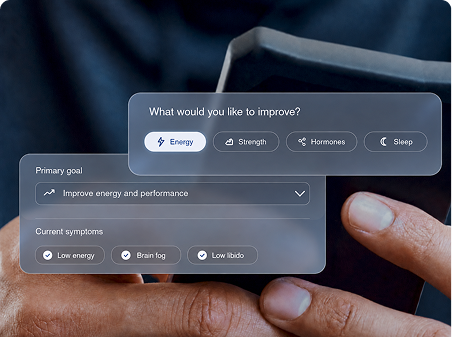
Schedule Labs
Start with advanced lab testing that analyzes over 90 biomarkers to uncover hidden imbalances and guide your personalized care.
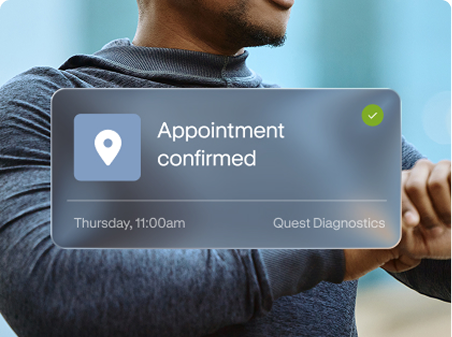
Consult with Medical Expert
Meet with a functional medicine expert to review your results and create a clear, personalized plan based on your goals.
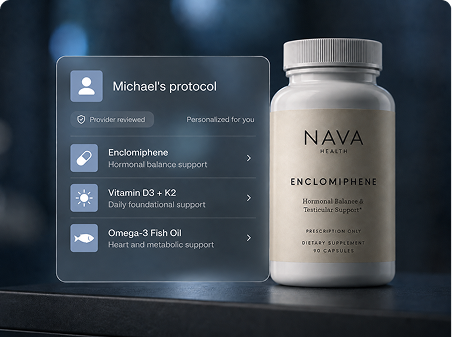
Start Your Personalized Treatment Plan
Based on your labs and goals, we’ll create a custom plan with targeted treatments and lifestyle strategies to help you feel your best.
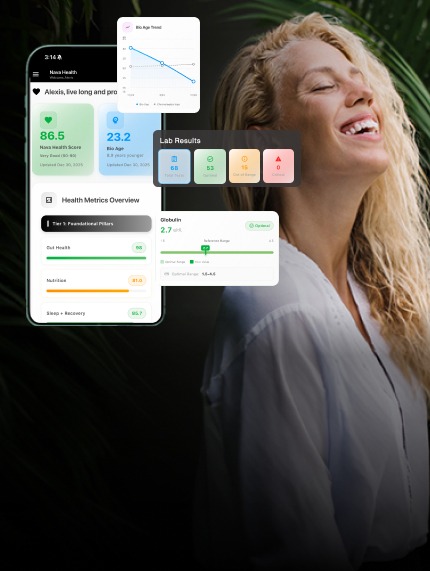
Track and Optimize Results
Stay on course with regular follow-ups and real-time progress tracking as your plan evolves to meet your body’s changing needs.
Symptoms
Common Symptoms of Hormone Imbalance in Women
Hormone imbalance in women most commonly involves estrogen, progesterone, testosterone, cortisol, and thyroid hormones. These imbalances can occur at any stage of life — including reproductive years, perimenopause, menopause, and post-menopause — and often affect multiple systems at once.
Hormone Imbalance Symptoms in Women:

Energy, Mood & Brain Health
- Chronic fatigue or low energy
- Brain fog or trouble concentrating
- Anxiety, irritability, or depression
- Mood swings or emotional ups and downs
Sleep & Stress
- Trouble falling or staying asleep
- Night sweats
- Feeling “wired but tired” or burned out
Metabolism & Weight
- Unexplained weight gain
- Increased belly fat
- Blood sugar swings or cravings
- Difficulty losing weight despite diet and exercise
Reproductive & Sexual Health
- Irregular, heavy, or missed periods
- Low libido
- Vaginal dryness or discomfort
- PMS or worsening premenstrual symptoms
Skin, Hair & Physical Changes
- Hair thinning or hair loss
- Acne or skin changes
- Loss of skin elasticity
What if your medical team actually helped you live a longer, healthier life?
Lives Improved
Client Satisfaction
Biomarkers Tested
Members Improved Biomarkers in 3 Months
Health Issues
Health Issues That May Be Linked to Hormone Imbalance in Women
Women with untreated hormone imbalance may also experience or be at higher risk for:
- Thyroid disorders
- Bone density loss
- Insulin resistance and metabolic dysfunction
- Heart health changes, including cholesterol shifts and vascular stiffness
- Accelerated biological aging
These changes often develop quietly over time — which is why early hormone testing and treatment can make a meaningful difference.

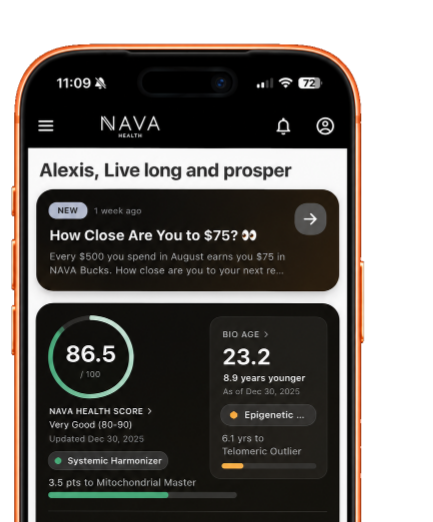
DOWNLOAD THE NAVA APP
Your health, fully connected.
Track your progress, review labs, and message your care team—everything you need to feel supported, stay accountable, and optimize your health in one place. This is where clarity, confidence, and long-term health begin.


Symptoms
Common Symptoms of Hormone Imbalance in Men
Hormone imbalance in men typically involves testosterone, along with estrogen, progesterone, cortisol, and thyroid hormones. While testosterone naturally changes with age, significant symptoms are not inevitable and often point to an underlying issue that can be evaluated and treated.
Hormone Imbalance Symptoms in Men:

Energy, Mood & Mental Performance
- Ongoing fatigue
- Low motivation or drive
- Brain fog or trouble focusing
- Mood changes, irritability, or depression
Sexual & Reproductive Health
- Low libido
- Erectile dysfunction
- Reduced sexual performance
Body Composition & Metabolism
- Loss of muscle mass
- Difficulty building or maintaining muscle
- Increased body fat, especially around the abdomen
- Slower metabolism
Sleep & Recovery
- Poor sleep quality
- Difficulty recovering from workouts
- Increased sensitivity to stress
Physical Changes
- Changes in body hair growth
- Decreased bone density
- Gynecomastia (male breast tissue enlargement)
Health Issues
Health Issues That May Be Linked to Hormone Imbalance in Men
Men with untreated hormone imbalance may also face:
- Increased cardiovascular risk
- Insulin resistance and metabolic issues
- Bone loss and fracture risk
- Cognitive decline
- Reduced vitality and resilience
Over time, hormone imbalance can contribute to faster aging and a noticeable decline in quality of life if left unaddressed

How Nava Health Evaluates & Treats Hormone Imbalance
At Nava Health, symptoms are where we start — not where we stop. Our approach begins with comprehensive hormone testing to evaluate estrogen, progesterone, testosterone, cortisol, thyroid hormones, and other key biomarkers that affect heart health, metabolism, brain function, and aging.
This personalized, proactive approach allows us to address hormone imbalance early — before it leads to more serious health issues.

Based on your results, our medical team creates a personalized hormone imbalance treatment plan, which may include
- Bioidentical Hormone Replacement Therapy (BHRT)
- Targeted lifestyle and nutrition support
- Ongoing monitoring and hormone optimization
By restoring hormones to optimal — not just “normal” — levels, we help clients
- Feel better day to day
- Reduce long-term health risks
- Support healthy aging, longevity, and performance



What Our Clients Say

“Becoming a member of Nava Health & Vitality has been the best thing I’ve ever done. Every time I arrive, I’m greeted by friendly people who are knowledgeable and professional.”

“I was always looking for a healthier lifestyle and stay away from modern medicines with all their side effects. These years have been a great experience. I highly recommend this for everyone who wants better health.”

“The attention to my health needs has been a wonderful change from my PCP. I always look forward to meeting with my nutritionist, Ryan. Samantha has helped me reach some goals I thought I could not.”

“Since I made the decision to take my health into my own hands, I am feeling so much better. I went to Nava with no energy, brain fog, stomach issues and aches and pains. My regular doctors found nothing and haven’t addressed anything. I had complete blood work here and discovered hormone imbalances and other issues that are all being addressed.”
Find Out More!
Have More Questions?
How Can Nava Health Help With Hormonal Imbalance?
How Do Hormones Affect Mental Health and Mood?
How Does Hormonal Imbalance Affect Your Skin?
How Does Hormonal Imbalance Cause Weight Gain?
What Happens When Your Hormones Are Unbalanced?
What Symptoms Should You Look for in a Hormonal Imbalance Checklist?
Why Does Hormonal Imbalance Lower Your Libido?
What Is BHRT (Bioidentical Hormone Replacement Therapy)?
How Is Hormone Therapy Provided?
Hormone therapy at Nava can be delivered as creams, gels, patches, injections, or pellets, depending on the hormone being replaced and your individual needs. Your Nava physician reviews your lab results and health history to recommend the most appropriate delivery method. No single format works for everyone, which is why Nava builds each protocol from your specific biomarker data rather than a standard formula.
What Are the Risks of BHRT?
What Is Polycystic Ovary Syndrome (PCOS) and How Does It Relate to Hormonal Imbalance?
What Is the Role of the Endocrine Gland in Hormonal Imbalance?
Take the next step
Ready to find out what your body needs?
Start with advanced labs, provider guidance, and a personalized plan built around your symptoms, goals, and stage of life.