
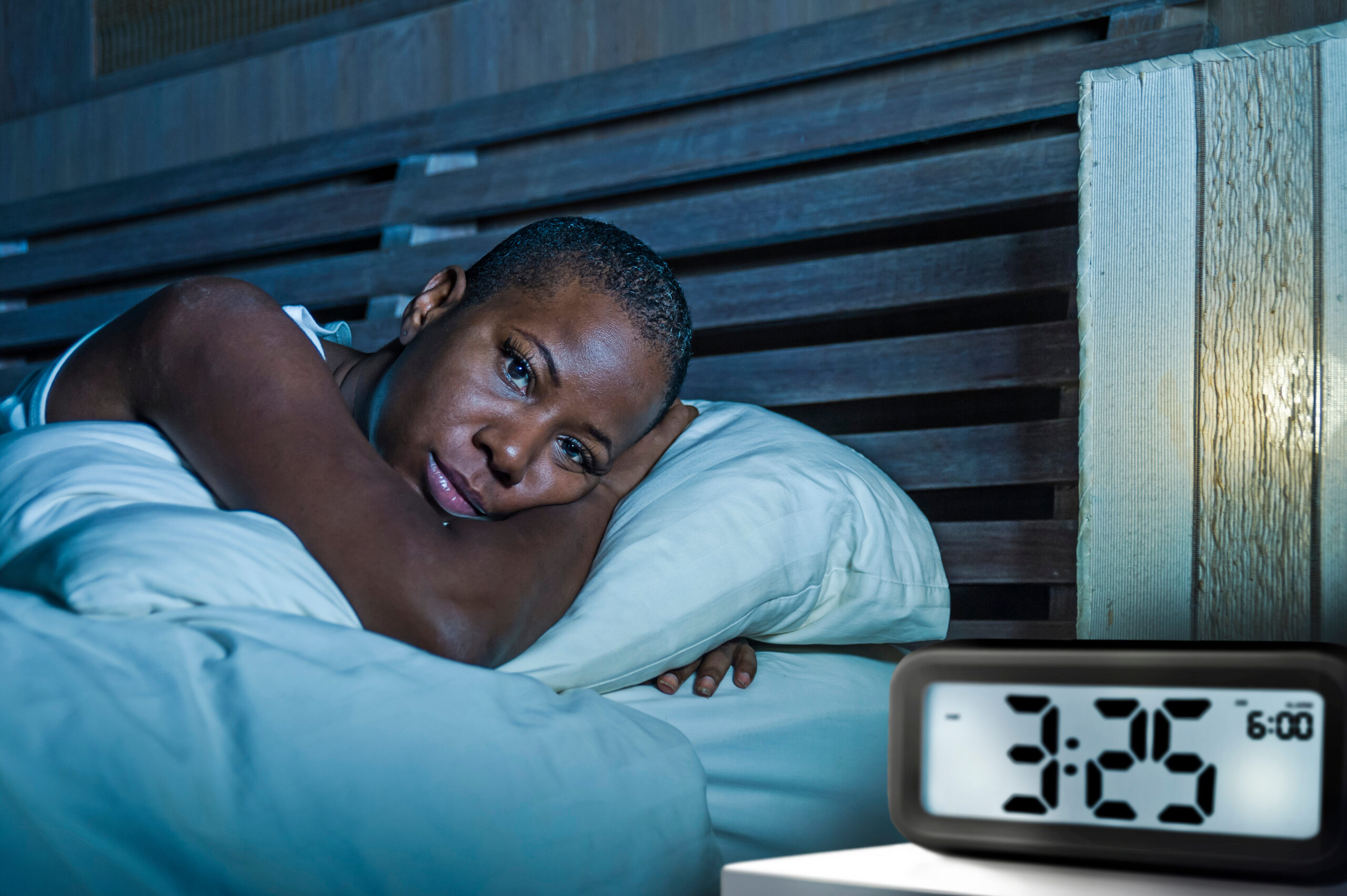

You’re exhausted. Your body feels like it needs rest, but when you finally get into bed, sleep doesn’t come. Maybe your mind starts racing. Maybe you feel restless and wide awake. Or perhaps you fall asleep eventually but wake repeatedly and feel just as tired the next day.
If you’ve ever thought, “I feel tired but can’t sleep,” you’re not alone. Difficulty falling asleep or staying asleep is common, and it can have many possible causes.
The frustrating part is that feeling tired does not always mean your brain and body are ready to sleep. Stress, an irregular sleep schedule, caffeine, hormonal changes, medications, medical conditions, and sleep disorders can all interfere with the normal transition from wakefulness to sleep.
The good news is that persistent sleep problems are often treatable. The key is understanding why you feel tired but can’t sleep in the first place.
Why Do I Feel Tired but Can’t Sleep?
You can feel physically or mentally exhausted without being physiologically ready for sleep. Fatigue and sleepiness are related, but they aren’t exactly the same thing.
Fatigue describes a lack of energy or feeling worn down. Sleepiness is the feeling that you could actually fall asleep. You may experience significant fatigue during the day while your brain remains alert at night.
This is sometimes described as feeling “tired but wired.”
Stress and anxiety are common reasons. Your body may be tired after a demanding day, but if your mind is still processing problems, anticipating tomorrow, or worrying about whether you’ll fall asleep, that mental arousal can make it harder to settle down. In fact, worrying about getting enough sleep can itself contribute to insomnia.
Your internal body clock can also be out of sync with the time you’re trying to sleep. Late-night light exposure, inconsistent bedtimes, shift work, travel, and other schedule changes can interfere with the signals that regulate your sleep-wake cycle.
So if you’re wondering, “Why am I exhausted but wide awake at night?”, the answer may not simply be that you need to be more tired. There may be something interfering with your body’s ability to transition into and maintain sleep.
Common Reasons You Feel Tired but Can’t Sleep
There isn’t one universal explanation for feeling tired but being unable to sleep. Several factors can contribute at the same time.
Stress and Anxiety
Stress is one of the most common contributors to difficulty sleeping.
When you’re under ongoing stress, your mind may remain focused on problems even after you get into bed. You might replay conversations, think through tomorrow’s responsibilities, worry about your health, or mentally run through everything you need to accomplish.
That can create a frustrating cycle:
Stress leads to difficulty sleeping, which leads to daytime fatigue, which then leads to more stress about sleep and more difficulty sleeping.
Over time, you may also begin associating your bed with frustration rather than relaxation. Spending a long time awake in bed can reinforce that pattern.
Your Circadian Rhythm May Be Out of Sync
Your circadian rhythm is your body’s internal timing system. It helps coordinate when you feel alert and when you feel ready for sleep.
If your sleep schedule is inconsistent, you work at night, frequently travel across time zones, sleep in significantly on weekends, or get substantial light exposure late at night, your internal clock may not line up with the time you want to go to bed.
That can create a particularly confusing experience: you feel tired all day but become more alert when bedtime arrives.
Circadian rhythm disorders can cause difficulty falling asleep at the desired time as well as daytime sleepiness and exhaustion.
Caffeine, Nicotine, and Alcohol
What you consume during the day can affect what happens at night.
Caffeine is a stimulant, and consuming it later in the day can make falling asleep more difficult. Nicotine can also interfere with sleep.
Alcohol is a little more complicated. It may make you feel sleepy initially, but it can contribute to lighter or disrupted sleep later in the night.
If you’re struggling with sleep, consider not just what you consume immediately before bed, but your total intake and timing throughout the day.
Long or Late-Day Naps
A nap can feel like exactly what you need when you’re exhausted. But long or late naps can reduce the sleep pressure that builds throughout the day.
This can create another cycle. Poor sleep leads to daytime fatigue, requiring a long nap and then less sleepiness at bedtime. This then leads to difficulty falling asleep and poor sleep overall.
That doesn’t mean every nap is problematic. But if you regularly can’t sleep at night, look at whether your daytime sleep could be contributing.
Hormonal Changes
Hormones can influence sleep, and hormonal transitions may be particularly relevant for women.
Changes associated with perimenopause and menopause can contribute to sleep difficulties. Night sweats, hot flashes, mood changes, and changes in sleep patterns may make it harder to fall asleep or stay asleep. The National Heart, Lung, and Blood Institute specifically identifies hormonal changes during menopause as a factor that can contribute to insomnia.
This doesn’t mean that hormones are necessarily the cause of every sleep problem. If you’re experiencing sleep changes alongside other hormonal symptoms, however, it may be worth discussing the full pattern with a healthcare professional.
Medications and Health Conditions
Some medications, supplements, and over-the-counter products can interfere with sleep. Certain health conditions can also make it harder to fall asleep or stay asleep.
Potential contributors include:
- Chronic pain or discomfort
- Anxiety or depression
- Thyroid disorders
- Acid reflux
- Breathing problems
- Certain medications
- Other chronic health conditions
Insomnia can sometimes be a symptom of another health problem rather than a completely separate condition.
That’s one reason persistent insomnia deserves more attention than simply trying another sleep aid.
An Underlying Sleep Disorder
Not every person who feels tired but can’t sleep has insomnia.
Other sleep disorders can cause disrupted sleep or excessive daytime fatigue. These include:
- Sleep apnea: Repeated interruptions in breathing during sleep can prevent restorative sleep.
- Restless legs syndrome: Uncomfortable sensations and an urge to move the legs can make it difficult to fall asleep.
- Circadian rhythm sleep-wake disorders: Your internal clock may be shifted relative to the schedule you’re trying to follow.
- Hypersomnia and other sleep disorders: Excessive daytime sleepiness can have multiple causes.
If you’re consistently tired despite spending enough time in bed, or if someone notices that you snore loudly, gasp, choke, or stop breathing while sleeping, talk with a healthcare professional.
What Does “Tired but Can’t Sleep” Feel Like?
People can experience this problem in several different ways.
You might:
- Feel exhausted but have a racing mind at bedtime.
- Feel sleepy all afternoon but become alert at night.
- Lie awake for an hour or more despite being physically tired.
- Fall asleep but wake repeatedly throughout the night.
- Wake too early and be unable to fall back asleep.
- Spend enough time in bed but wake feeling completely unrefreshed.
- Feel like your body needs sleep but your brain won’t “shut off.”
These patterns can have different underlying causes.
| What you’re experiencing | Possible contributing factor |
| Racing thoughts at bedtime | Stress, anxiety, or conditioned arousal |
| Sleepy during the day but wide awake at night | Circadian rhythm disruption |
| Hot flashes or night sweats with poor sleep | Possible hormonal contribution |
| Snoring, gasping, or choking during sleep | Possible sleep apnea |
| Uncomfortable or restless legs at bedtime | Possible restless legs syndrome |
| Enough time in bed but persistent daytime fatigue | Poor sleep quality or another sleep disorder |
This table is not intended to diagnose a condition. Symptoms can overlap, and determining the cause may require a review of your health history, medications, sleep patterns, and other factors.
Why Being Tired All Day Can Make It Harder to Sleep at Night
It might seem logical that being exhausted all day should make you sleep better at night. But some of the ways people respond to daytime fatigue can actually perpetuate nighttime sleep problems.
For example, imagine this pattern:
You sleep poorly. You’re exhausted the next day. You drink more caffeine. You nap or become less active. You aren’t as sleepy at bedtime. You can’t fall asleep. You sleep poorly again.
At the same time, worrying about sleep can increase frustration and mental arousal.
This is why simply trying to “be more tired” isn’t always an effective strategy. The goal is to support a healthy sleep-wake rhythm and identify factors that may be interfering with sleep.
Sleep deficiency can also affect concentration, reaction time, mood, work, and driving.
What to Do If You’re Tired but Can’t Sleep Tonight
If you’re lying in bed wide awake, there are several strategies that may help.
Don’t Try to Force Yourself to Sleep
The harder you try to make sleep happen, the more frustrated you may become.
Instead of repeatedly checking the clock or thinking about how many hours remain before your alarm, focus on creating conditions that allow sleep to occur naturally.
Get Out of Bed If You’re Wide Awake
If you’ve been awake for a while and are becoming frustrated, consider getting out of bed and doing something quiet in low light.
Return to bed when you begin feeling sleepy again.
This principle is incorporated into cognitive behavioral therapy for insomnia (CBT-I), which uses stimulus control to help reestablish the association between bed and sleep.
Put Away the Clock and Phone
Watching the minutes pass can increase anxiety about sleep. Phones and other bright electronic devices can also provide stimulating content and light exposure close to bedtime.
Keep the bedroom dark and quiet, and consider putting your phone somewhere that makes it less tempting to check.
Keep Your Bedroom Sleep-Friendly
Aim for a bedroom that is:
- Cool
- Dark
- Quiet
- Comfortable
- Free of unnecessary distractions
These basic environmental changes can make it easier to maintain sleep.
Be Consistent With Your Wake Time
A consistent wake time can help reinforce your body’s sleep-wake rhythm.
Try to maintain a relatively consistent schedule, including on weekends, rather than dramatically shifting your sleep schedule from one day to the next.
Pay Attention to Caffeine Timing
If you’re struggling to sleep, consider reducing caffeine later in the day. Also look beyond coffee—tea, energy drinks, chocolate, pre-workout products, and some medications may contain caffeine or other stimulants.
Stay Active During the Day
Regular daytime physical activity can support healthy sleep. However, exercising immediately before bed may make it harder for some people to fall asleep.
What Are the Most Effective Insomnia Treatments?
If you’re searching for insomnia treatments, it’s important to know that the best approach depends on what’s causing the sleep problem.
For occasional sleep difficulties, behavioral and lifestyle changes may be enough. Persistent insomnia may require a more structured treatment approach.
Cognitive Behavioral Therapy for Insomnia (CBT-I)
CBT-I is one of the most established treatments for long-term insomnia.
Rather than simply telling you to practice better sleep hygiene, CBT-I addresses thoughts and behaviors that can perpetuate insomnia.
It may include:
- Cognitive techniques to reduce anxiety surrounding sleep
- Relaxation strategies
- Sleep education
- Stimulus control
- Sleep restriction therapy
The National Heart, Lung, and Blood Institute describes CBT-I as a 6- to 8-week treatment and generally recommends it as the first treatment option for long-term insomnia.
Improving Sleep Habits
Sleep habits can be an important part of treatment, particularly when poor sleep is related to an inconsistent schedule or lifestyle factors.
Common recommendations include:
- Going to bed and waking at consistent times
- Limiting caffeine close to bedtime
- Avoiding nicotine near bedtime
- Limiting alcohol as a sleep strategy
- Keeping the bedroom dark and quiet
- Getting regular daytime physical activity
- Reducing stimulating activities before bed
Healthy sleep habits can support better sleep, but persistent insomnia may require more than sleep hygiene alone.
Addressing the Underlying Cause
If insomnia is being driven or worsened by another condition, treating that contributor may be an important part of improving sleep.
For example, a healthcare professional may evaluate whether sleep problems are related to:
- Anxiety or depression
- Hormonal changes
- Thyroid problems
- Chronic pain
- Medication effects
- Sleep apnea
- Restless legs syndrome
- Circadian rhythm disruption
MedlinePlus notes that chronic insomnia can occur as a symptom or side effect of another medical problem, medication, or sleep disorder.
Medications and Sleep Aids
Medications can be appropriate for some people with insomnia, but they’re not necessarily the best first or only solution.
A healthcare professional can help determine whether medication is appropriate based on your symptoms, health history, other medications, and the type and duration of your sleep problem.
Avoid starting or combining sleep medications, supplements, or other sleep aids without discussing them with a healthcare professional.
When Should You See a Doctor About Trouble Sleeping?
Occasional difficulty sleeping happens to most people. But if you’re regularly thinking “I’m tired but can’t sleep,” it’s worth taking a closer look.
Consider talking with a healthcare professional if:
- Sleep problems are persistent or frequently recurring.
- Difficulty sleeping is interfering with work, relationships, mood, or daily activities.
- You regularly wake feeling unrefreshed despite spending enough time in bed.
- You experience significant daytime sleepiness.
- You frequently snore loudly or wake gasping, choking, or short of breath.
- You have uncomfortable sensations or an urge to move your legs at night.
- Your sleep problems began alongside major hormonal changes or other health symptoms.
- You depend on alcohol, supplements, or sleep medications to fall asleep.
Chronic insomnia is generally defined as difficulty sleeping at least three nights per week for three months or longer, when it cannot be fully explained by another health problem.
If you’re so sleepy that you’re having trouble staying alert while driving, don’t drive. Sleep deficiency can impair attention, reaction time, and decision-making.
Frequently Asked Questions About Feeling Tired but Unable to Sleep
Why do I feel tired but can’t sleep?
Feeling tired doesn’t always mean your brain and body are ready for sleep. Stress, anxiety, an irregular sleep schedule, caffeine, alcohol, hormonal changes, medications, medical conditions, and sleep disorders can all interfere with falling or staying asleep. Persistent difficulty sleeping may be a sign of insomnia or another sleep-related problem.
Why am I exhausted but wide awake at night?
You may be experiencing a combination of physical fatigue and mental alertness. Stress and anxiety can keep your mind active even when your body is tired. A delayed or disrupted circadian rhythm, caffeine, inconsistent sleep schedules, and other factors can also make you feel exhausted during the day but more alert at bedtime.
Why can’t I sleep even though I haven’t slept much?
Sleep deprivation doesn’t always immediately make it easier to fall asleep. Stress about not sleeping, caffeine, daytime naps, schedule changes, and an underlying sleep or health condition can continue interfering with sleep. Spending more time awake in bed can also reinforce frustration around sleep.
How can I fall asleep when I’m tired but can’t sleep?
Start by reducing stimulation and avoiding clock-watching. Keep your bedroom cool, dark, and quiet. If you’re lying awake and becoming frustrated, get out of bed for a quiet, low-stimulation activity and return when you feel sleepy. If this happens regularly, consider talking with a healthcare professional about the underlying cause.
Is being tired but unable to sleep a sign of insomnia?
It can be. Difficulty falling asleep is one of the main symptoms of insomnia, particularly when you have adequate opportunity to sleep but still can’t do so. However, feeling tired but unable to sleep can also occur with circadian rhythm problems, stress, medications, hormonal changes, or other sleep disorders.
Can hormones make you tired but unable to sleep?
Hormonal changes can contribute to sleep disruption. For example, hormonal changes during menopause can affect sleep and may occur alongside symptoms such as night sweats and hot flashes. However, hormones aren’t necessarily the cause of every sleep problem, so persistent symptoms should be evaluated in context.
What are the best insomnia treatments?
Treatment depends on the cause and duration of insomnia. CBT-I is a leading evidence-based treatment for long-term insomnia. Improving sleep habits and addressing contributing conditions, medications, stress, or circadian rhythm problems may also help. Medication may be appropriate for some people under medical guidance.
When should I worry about being tired but unable to sleep?
Talk with a healthcare professional if sleep problems are persistent, interfere with your daily life, or leave you excessively sleepy during the day. Also seek evaluation if you snore loudly, gasp or choke during sleep, experience restless legs, or have other symptoms suggesting an underlying medical or sleep disorder.
Could an Underlying Health Issue Be Affecting Your Sleep?
If you’re consistently exhausted but can’t sleep, the answer may not be as simple as needing a better bedtime routine.
Sleep is connected to many aspects of health, including hormones, stress, metabolism, nutrition, mood, and recovery. When several symptoms appear together—such as insomnia, fatigue, night sweats, anxiety, brain fog, or morning exhaustion—it may be useful to look at the bigger picture.
At Nava Health, a personalized, data-driven approach can evaluate multiple factors that may be contributing to how you feel. Nava’s Sleep + Recovery program, for example, identifies symptoms including insomnia, fatigue, night sweats, snoring, restless sleep, morning exhaustion, anxiety, and brain fog. Its listed biomarkers include cortisol, melatonin, thyroid markers, glucose and A1C, iron, vitamin D, CRP, sex hormones, and sleep-related metabolites.
Nava also offers functional medicine care that combines health history, advanced diagnostics, and personalized recommendations. Depending on your individual needs, care may involve nutrition and lifestyle guidance, hormone and thyroid optimization, stress-management strategies, targeted supplementation, or other therapies.
That doesn’t mean every sleep problem is caused by a nutrient deficiency or hormone imbalance—and testing isn’t a substitute for appropriate evaluation of conditions such as sleep apnea or chronic insomnia. Instead, the goal is to understand the factors that may be relevant to your symptoms and develop an individualized plan.
The Bottom Line: Why Do I Feel Tired but Can’t Sleep?
Feeling tired but unable to sleep is frustrating, but it isn’t necessarily a contradiction.
Fatigue and sleepiness are different experiences, and your ability to sleep can be affected by much more than how tired you feel. Stress, anxiety, circadian rhythm disruption, caffeine, naps, hormonal changes, medications, medical conditions, and sleep disorders can all play a role.
If it happens occasionally, improving your sleep environment, maintaining a consistent schedule, limiting late-day stimulants, and reducing stimulation before bed may help.
But if you regularly feel exhausted and still can’t sleep—or you’re sleeping enough but never feel rested—it’s worth looking beyond your bedtime routine. Identifying and addressing the factors affecting your sleep can be a more productive strategy than simply trying harder to fall asleep.
Nava Health takes a personalized approach to health that combines advanced diagnostics, clinician-guided care, and ongoing tracking to help identify factors that may be affecting your energy, sleep, hormones, and overall well-being.
If you’re tired of feeling tired, talk with a healthcare professional about what’s keeping you from getting the restorative sleep your body needs.
Medical Disclaimer
This article is for educational purposes only and is not a substitute for medical diagnosis or treatment. If you’re experiencing persistent insomnia, excessive daytime sleepiness, breathing problems during sleep, or other concerning symptoms, consult a qualified healthcare professional.