
Lyme Disease Testing
Lyme Disease Testing & Coinfection Evaluation
Accurate, comprehensive Lyme disease testing and evaluation to detect tick-borne infections, understand your symptoms, and guide personalized treatment support.


What Is Lyme Disease Testing at Nava Health?
Lyme Disease Testing at Nava Health goes far beyond the basic screening (ELISA) offered at most general practice offices. We utilize advanced immunoblots and PCR (DNA) technology to detect Borrelia burgdorferi (the bacteria that causes Lyme) and its various coinfections like babesia, bartonella, ehrlichia, mycoplasma and more.
Standard medicine often treats Lyme as a simple bacterial infection. Functional medicine recognizes it as a complex immune event. Our testing evaluates not only the presence of the pathogen but also the state of your immune system, looking for the specific antibodies and inflammatory markers that indicate an active or chronic infection.
How it works
Get answers faster. Start treatment sooner.
A clear path from symptoms to a personalized plan.

Complete your lab testing
Your provider orders blood testing to look for immune markers associated with Lyme disease and other possible contributors to your symptoms.

Review your results
Go through your results with a medical expert who can explain what they mean in the context of your symptoms and overall health.

Get your personalized care plan
If Lyme disease or another underlying issue is identified, your Nava team builds a treatment and support plan around your needs.
Symptoms & Signs
Symptoms & Signs Lyme and Coinfection Testing Can Help Uncover
Lyme affects every system in the body. If you have a cluster of these symptoms that fluctuate or migrate, testing is critical:

Severe Fatigue
Exhaustion that is not relieved by sleep.
Migratory Joint Pain
Pain that moves from knees to elbows or shoulders.
Neurological Issues
Brain fog, memory loss, numbness, tingling, or “electric shock” sensations.
Heart Palpitations
Irregular heartbeats or chest pain (Lyme Carditis).
Psychiatric Symptoms
Sudden onset anxiety, depression, or mood swings.
Night Sweats & Chills
Often a sign of the coinfection Babesia.
Sole Sensitivity
Pain in the soles of the feet, especially in the morning (Bartonella).
How This Impacts Other Health Issues?
Chronic Lyme suppresses the immune system and damages mitochondria. This can trigger Autoimmune Diseases (like Hashimoto’s), disrupt Hormonal Balance (causing adrenal fatigue), and weaken the gut lining, leading to severe food sensitivities. Treating the Lyme is often the key to resolving these secondary conditions.
Better Together
Why These Treatments Work Better Together
Diagnosing Lyme is step one; treating the whole body is step two.

Lyme Testing + Ozone Therapy
Ozone is a powerful bio-oxidative therapy. Once testing confirms an infection, Ozone therapy can be used to lower the pathogen load (kill bacteria/viruses) while simultaneously modulating the immune system to fight back more effectively.

Lyme Testing + IV Micronutrient Therapy
Chronic infection depletes the body of nutrients. IV therapy (such as High-Dose Vitamin C or Glutathione) replenishes the cellular fuel needed to manage the “die-off” symptoms of treatment and supports the liver’s ability to detoxify.
What if your medical team actually helped you live a longer, healthier life?
Lives Improved
Client Satisfaction
Biomarkers Tested
Members Improved Biomarkers in 3 Months
Why Accurate Lyme and Coinfection Testing Is Critical
The standard “two-tiered” testing used by the CDC can miss up to 50% of chronic Lyme cases.

False Negatives
Standard tests rely on your body producing antibodies. If your immune system is weak (which is common in chronic Lyme), you may test negative even if you are infected. Our advanced tests look closer.
The Coinfection Factor
Ticks rarely carry just Lyme. They carry a “cocktail” of pathogens. If you only treat Lyme but miss the Bartonella, you will likely not get better. Comprehensive testing ensures we treat the entire infection.
Early vs. Late Stage
Different tests are needed depending on how long you have been sick. We select the right test for your timeline.
Decreased Stamina
Inability to maintain performance for a satisfying duration.
Medication Tolerance
Finding that pills like Viagra or Cialis are working less effectively than they used to.
Long Refractory Periods
Needing a much longer time to recover between erections.
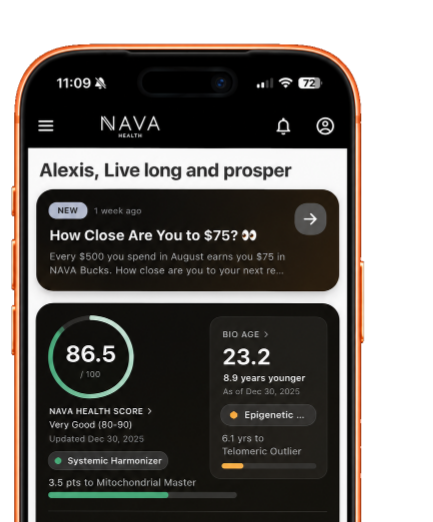
DOWNLOAD THE NAVA APP
Your health, fully connected.
Track your progress, review labs, and message your care team—everything you need to feel supported, stay accountable, and optimize your health in one place. This is where clarity, confidence, and long-term health begin.


why nava
Why Choose Nava Health for Lyme Testing?
Lyme literacy matters.

Lyme-Literate Providers
Our team understands the complexity of tick-borne illness and does not dismiss your symptoms as “all in your head.”
Integrative Solutions
We don’t just prescribe antibiotics and wish you luck. We support your gut, your detox pathways, and your mental health throughout the healing process.
Access to Top Labs
We partner with leading specialty laboratories (like IGeneX or Vibrant Wellness) known for the highest sensitivity in the industry.


What Our Clients Say

“Becoming a member of Nava Health & Vitality has been the best thing I’ve ever done. Every time I arrive, I’m greeted by friendly people who are knowledgeable and professional.”

“I was always looking for a healthier lifestyle and stay away from modern medicines with all their side effects. These years have been a great experience. I highly recommend this for everyone who wants better health.”

“The attention to my health needs has been a wonderful change from my PCP. I always look forward to meeting with my nutritionist, Ryan. Samantha has helped me reach some goals I thought I could not.”

“Since I made the decision to take my health into my own hands, I am feeling so much better. I went to Nava with no energy, brain fog, stomach issues and aches and pains. My regular doctors found nothing and haven’t addressed anything. I had complete blood work here and discovered hormone imbalances and other issues that are all being addressed.”
Have More Questions About Lyme Disease?
Can Lyme Disease Be Mistaken for Another Illness?
Yes, Lyme disease is often misdiagnosed because its symptoms overlap with other conditions, such as chronic fatigue syndrome, fibromyalgia, multiple sclerosis, and autoimmune diseases. This makes an accurate diagnosis essential. Nava Health’s advanced testing helps differentiate Lyme from similar conditions, ensuring you receive the right treatment plan.
Can Lyme Disease Spread From One Person to Another?
No, Lyme disease does not spread from person to person. It is transmitted through the bite of an infected black-legged tick. However, avoiding tick bites is crucial, especially if you live in or travel to high-risk areas. Wearing protective clothing, using insect repellent, and checking for ticks after outdoor activities can help prevent exposure.
Can a Pregnant Woman Pass Lyme Disease to Her Baby?
There is evidence suggesting that Lyme disease can be transmitted from mother to baby during pregnancy. While cases are rare, untreated Lyme disease may lead to complications. If you are pregnant and have concerns about Lyme disease, our specialists can guide you through safe testing and treatment options to protect both you and your baby.
How Long Must a Tick Stay Attached to Spread Lyme Disease?
Ticks typically need to be attached for 24-48 hours to transmit Lyme disease bacteria. This means that early detection and removal are key in preventing infection. If you find a tick on your skin, remove it carefully with fine-tipped tweezers and monitor for symptoms. If you suspect a recent tick bite, our doctors can provide appropriate testing and preventative solutions.
What Happens If Lyme Disease Goes Untreated for Years?
When left untreated, Lyme disease can progress to more serious health complications. Chronic Lyme symptoms may include persistent fatigue, joint pain, heart issues, neurological problems, and cognitive impairments. Over time, untreated Lyme disease may significantly impact your quality of life. Early detection and a personalized treatment plan can help manage symptoms and prevent long-term damage.
What Other Infections Often Come with Lyme Disease?
Ticks that carry Lyme disease may also transmit other infections, known as co-infections. Some of the most common co-infections include Babesia, Bartonella, and Anaplasma. These infections can complicate Lyme disease symptoms and make recovery more challenging. Proper testing helps identify co-infections, allowing for a comprehensive, custom treatment approach tailored to your health needs.
Who Is Most at Risk for Severe Lyme Disease Symptoms?
Anyone bitten by an infected tick can develop Lyme disease, but certain individuals may be more at risk for severe symptoms. Those with weakened immune systems, pre-existing health conditions, or multiple co-infections may experience more significant effects.
People who go undiagnosed or untreated for long periods are also more likely to develop chronic symptoms. Early diagnosis and a proactive treatment plan are essential for minimizing the impact of Lyme disease and improving long-term health.
Take the next step
Ready to find out what your body needs?
Start with advanced labs, provider guidance, and a personalized plan built around your symptoms, goals, and stage of life.