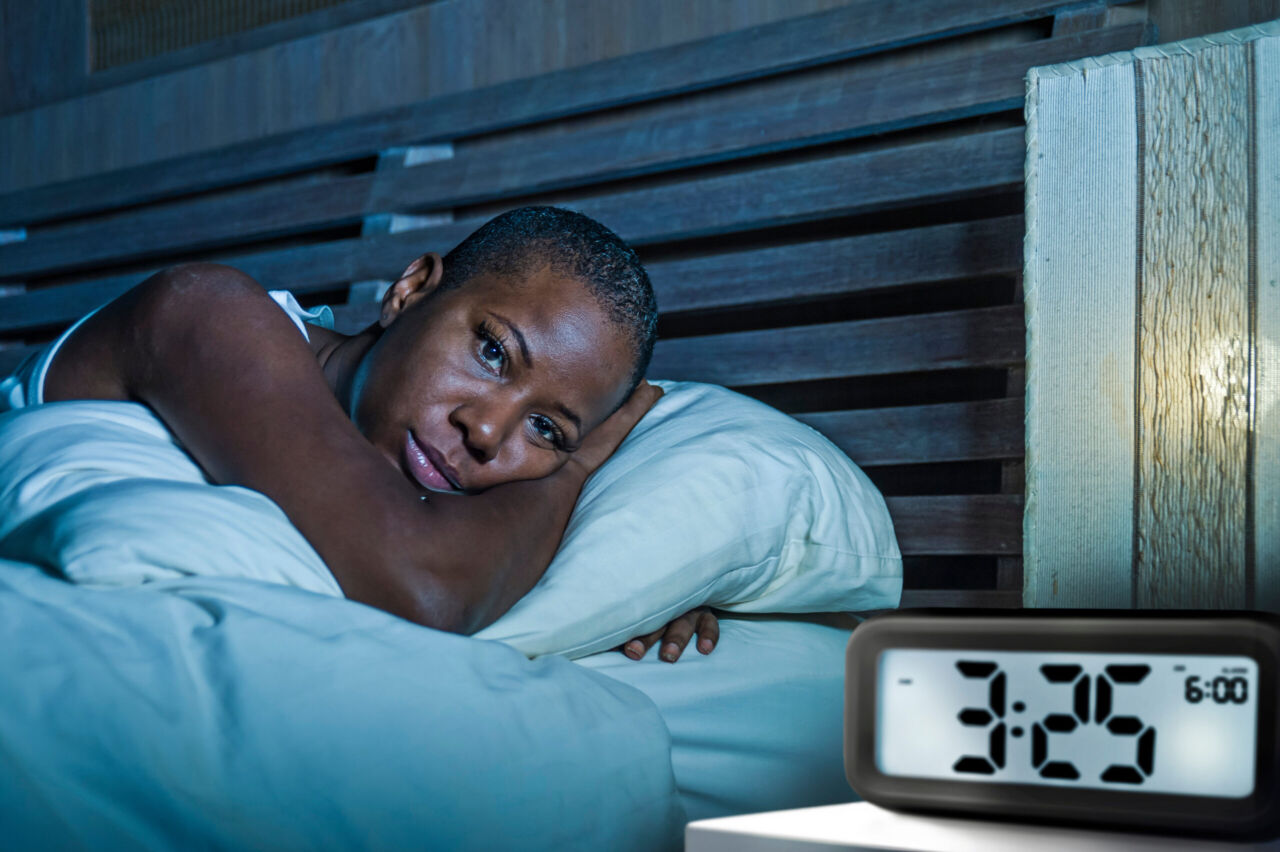

Common causes of 3 a.m. waking in perimenopause include shifting progesterone and estrogen levels, night sweats, alcohol, stress, and low iron. Many women have more than one cause at the same time.
Many women in their 40s notice a frustrating new sleep pattern. They fall asleep without much trouble, then wake in the early morning hours, often around 3 a.m., with a racing mind and no way back to sleep. It’s easy to blame stress, and stress can play a role. But for many women, the hormonal shifts of perimenopause are a major part of the picture.
Sleep problems are one of the most common symptoms of the menopausal transition. In a study of more than 3,300 women, over one-third developed insomnia during perimenopause, and waking during the night was the most common complaint.
One hormone that often gets overlooked is progesterone. Your body converts it into a calming brain chemical that acts on the same receptors many sleep medications target. When ovulation becomes irregular, progesterone levels become less predictable. Here’s what the research shows and what you can do about it.
What Is Perimenopause?
Perimenopause is the transition leading up to menopause, which is defined as 12 months without a period. It usually begins in a woman’s 40s, though it can start earlier, and it can last several years.
During perimenopause, hormone levels don’t simply decline in a straight line. They fluctuate, sometimes dramatically:
- Ovulation becomes less regular. Some cycles don’t release an egg at all.
- Progesterone drops in cycles without ovulation. Progesterone is mainly produced after ovulation, so skipped ovulation means little progesterone that month.
- Estrogen swings up and down. Estradiol can spike higher than usual, then fall sharply.
These changes can trigger hot flashes, night sweats, mood changes, heavier or irregular periods, and sleep problems, sometimes years before periods stop.
How Does Progesterone Affect Sleep?
Progesterone’s effect on sleep comes largely from what your body turns it into. Progesterone is converted into allopregnanolone, a neurosteroid that boosts the activity of GABA-A receptors in the brain. GABA is the brain’s main calming signal, and GABA-A receptors are the same targets of many sleep and anti-anxiety medications, including benzodiazepines.
Animal research shows that allopregnanolone helps the brain fall into non-REM sleep faster and stay there longer, in a pattern similar to short-acting sleep medications.
Several studies in people support a sleep-promoting effect:
- In a placebo-controlled sleep lab study, an evening dose of oral progesterone increased non-REM sleep. This study was done in healthy men to avoid the effects of natural hormone cycles.
- In postmenopausal women, a placebo-controlled study found that 300 mg of progesterone at bedtime had no effect on normal sleep but restored normal sleep when sleep was disrupted. Compared with placebo, time awake after falling asleep was 53% lower and deep sleep was nearly 50% higher.
- In another trial of postmenopausal women, 3 weeks of progesterone reduced time spent awake during the night without affecting daytime thinking.
- In perimenopausal women, a 2023 randomized trial of 189 women found that 300 mg of progesterone at bedtime for 3 months improved sleep quality and reduced night sweats compared with placebo.
A 2021 meta-analysis of 9 randomized trials concluded that micronized progesterone improves several sleep outcomes, mainly in postmenopausal women, though results varied between studies and larger trials are still needed.
Why Perimenopause Disrupts Sleep
When ovulation becomes irregular, you lose more than a predictable cycle. You may also lose some of the steady progesterone that supports sleep in the second half of your cycle.
But progesterone is only part of the story. The research shows the relationship is complex:
- Cycle phase matters. A 2015 sleep lab study of perimenopausal women found more awakenings and less deep sleep in the days before their period than after it. So the timing of hormone changes, not just low levels, may affect sleep.
- Estrogen plays a role. A 2022 review of 86 studies linked falling estrogen and progesterone to sleep problems, and found that timely hormone treatment improved sleep quality.
- Night sweats wake you up. Hot flashes and night sweats are a common cause of early-morning waking during perimenopause.
- Mood and stress add up. Anxiety and low mood become more common in perimenopause and can keep the mind racing at night.
In other words, waking at 3 a.m. during perimenopause usually has more than one cause, which is why a thorough evaluation matters.
Other Common Causes of 3 a.m. Waking
Before assuming hormones are the only factor, it’s worth looking at other common contributors:
Alcohol
A drink may help you fall asleep faster, but it backfires later. A review of 20 sleep lab studies found that alcohol deepened sleep in the first half of the night but increased waking in the second half. Moderate to heavy drinking also reduced REM sleep.
Low Iron
Low iron stores can cause restless legs syndrome, an urge to move the legs that often disrupts sleep. Heavy periods during perimenopause can lower iron levels. For people with restless legs, the American Academy of Sleep Medicine suggests iron treatment if ferritin is 75 ng/mL or lower, a higher cutoff than many standard lab ranges.
Thyroid Problems
Both overactive and underactive thyroid can affect sleep, energy, and mood, and thyroid disorders become more common in midlife.
Sleep Apnea
Sleep apnea becomes more common in women after menopause and can cause frequent waking, snoring, and daytime fatigue.
Stress and Anxiety
Stress does matter, especially when combined with hormonal changes. Racing thoughts at night are a common sign of anxiety.
What You Can Do About Perimenopause Insomnia
1. Track Your Wake Times Against Your Cycle
Log what time you wake up each night next to your cycle day. Patterns, such as worse sleep in the week before your period, can give you and your provider useful clues.
2. Finish Alcohol Earlier, or Skip It
Because alcohol disrupts the second half of the night, finishing drinks earlier in the evening or skipping alcohol on weeknights can reduce early-morning waking.
3. Time Your Hormone Labs Carefully
Progesterone is best measured in the middle of the second half of your cycle, about 7 days before your expected period. In a 28-day cycle, that’s around day 21, often drawn on days 19 to 21. In longer cycles, the test day moves later. Because hormones fluctuate so much in perimenopause, a single test can’t diagnose perimenopause, but well-timed labs can still help explain symptoms.
4. Ask for a Complete Panel
Beyond progesterone, consider asking your provider about estradiol, thyroid function, and ferritin. These can help rule other causes in or out.
5. Consider Cognitive Behavioral Therapy for Insomnia (CBT-I)
CBT-I is a structured program that changes the thoughts and habits that keep insomnia going. It’s recommended as a first-line treatment for chronic insomnia and can be combined with other approaches.
6. Talk to a Provider About Treatment Options
For some women, hormone therapy, including progesterone, may be an option. Progesterone can cause drowsiness, so it’s typically taken at bedtime. Whether it’s right for you depends on your symptoms, health history, and whether you also need estrogen.
When Should You See a Healthcare Provider?
Talk with a healthcare provider if you experience:
- Waking during the night most nights for several weeks
- Night sweats or hot flashes that interrupt your sleep
- Irregular, heavier, or more frequent periods
- Daytime fatigue, brain fog, or mood changes
- An urge to move your legs at night
- Loud snoring or gasping during sleep
A provider can look for the underlying causes of your sleep problems and recommend treatment that addresses why you’re waking up, not just how to fall back asleep.
How Nava Health Helps Women Get Better Sleep in Perimenopause
For many women, 3 a.m. waking isn’t simply stress or a normal part of getting older. It can be a sign of shifting hormones, low iron, thyroid changes, or other health concerns that deserve a personalized approach.
At Nava Health, every provider is trained in root-cause medicine. That means they look for why you’re waking up, not just how to knock you out. Our medical providers and board-certified nutritionists have over 13 years of experience in hormones and root-cause medicine.
Nava’s discounted intake bundle is $299 and includes:
- 70+ lab tests, including hormones, thyroid function, iron, and more
- 1 hour with a medical provider
- 1 hour with a board-certified nutritionist
Based on your results, your care team develops an individualized plan that may include hormone optimization (when clinically appropriate), nutrition counseling, sleep support, and ongoing care.
Not sure which symptoms may be hormone-related? Download our free perimenopause checklist.
Next step: Book your intake or learn about hormone therapy for women at Nava.
Frequently Asked Questions
Why do I wake up at 3 a.m. during perimenopause?
Common causes include shifting progesterone and estrogen levels, night sweats, alcohol, stress, and low iron. Many women have more than one cause at the same time.
Does low progesterone cause insomnia?
It may contribute. Progesterone is converted into allopregnanolone, which calms the brain through GABA-A receptors. When ovulation becomes irregular in perimenopause, progesterone levels become less predictable. Research suggests the relationship is complex, so progesterone is rarely the only factor.
Can progesterone help you sleep?
Several placebo-controlled studies show progesterone can improve sleep, especially in postmenopausal women. A 2023 trial in perimenopausal women found 300 mg at bedtime improved sleep quality and night sweats. Whether it’s right for you depends on your health history.
When should I test my progesterone?
About 7 days before your expected period, which is around day 19 to 21 of a 28-day cycle. If your cycles are longer or irregular, the timing changes, so ask your provider.
Does alcohol make perimenopause insomnia worse?
It can. Alcohol may help you fall asleep, but research shows it increases waking during the second half of the night.
Can low iron cause sleep problems?
Yes. Low iron is linked to restless legs syndrome, which can disrupt sleep. Heavy periods during perimenopause can lower iron levels, so ferritin is worth checking.
Is perimenopause insomnia just stress?
Not usually. Stress can contribute, but hormonal changes, night sweats, alcohol, and other health factors often play a major role.
How long does perimenopause insomnia last?
It varies. Sleep problems often begin in the early transition and can continue into menopause. Treating the underlying causes can improve sleep at any stage.
This article is for education only and isn’t medical advice. Talk with a qualified provider before starting any hormone therapy or sleep treatment.
Sources
- Friess E, et al. Progesterone-induced changes in sleep in male subjects. American Journal of Physiology. 1997. https://pubmed.ncbi.nlm.nih.gov/9176190/
- Caufriez A, et al. Progesterone prevents sleep disturbances and modulates GH, TSH, and melatonin secretion in postmenopausal women. Journal of Clinical Endocrinology & Metabolism. 2011.
- Schüssler P, et al. Progesterone reduces wakefulness in sleep EEG and has no effect on cognition in healthy postmenopausal women. Psychoneuroendocrinology. 2008. https://clinicaltrials.gov/study/NCT00530582
- Prior JC, et al. Oral micronized progesterone for perimenopausal night sweats and hot flushes: a randomized controlled trial. Scientific Reports. 2023. Summary: https://blogs.the-hospitalist.org/content/progesterone-might-benefit-women-perimenopause
- Nolan BJ, et al. Efficacy of micronized progesterone for sleep: a systematic review and meta-analysis of randomized controlled trial data. Journal of Clinical Endocrinology & Metabolism. 2021. https://ahro.austin.org.au/austinjspui/handle/1/25441
- Damianisch K, et al. Allopregnanolone affects sleep in a benzodiazepine-like fashion. Neuropsychopharmacology. 2001. https://www.nature.com/articles/1395685
- Baker FC, et al. Menstrual cycle-related variation in physiological sleep in women in the early menopausal transition. Journal of Clinical Endocrinology & Metabolism. 2015. https://www.newswise.com/articles/hormone-fluctuations-disrupt-sleep-of-perimenopausal-women
- Haufe A, et al. The role of ovarian hormones in the pathophysiology of perimenopausal sleep disturbances: a systematic review. Sleep Medicine Reviews. 2022. https://www.sri.com/publication/biosciences-health-pubs/human-sleep-program-pubs/the-role-of-ovarian-hormones-in-the-pathophysiology-of-perimenopausal-sleep-disturbances-a-systematic-review/
- Ciano C, et al. Longitudinal study of insomnia symptoms among women during perimenopause. Presented at the North American Menopause Society Annual Meeting, 2015. https://sleepreviewmag.com/sleep-disorders/insomnia/third-perimenopausal-women-develop-insomnia/
- Ebrahim IO, et al. Alcohol and sleep I: effects on normal sleep. Alcoholism: Clinical & Experimental Research. 2013. Summary: https://www.livescience.com/26489-alcohol-sleep.html
- American Academy of Sleep Medicine. RLS and PLMD clinical practice guideline at a glance. 2025. https://aasm.org/wp-content/uploads/2025/11/RLS-and-PLMD-Guideline-at-a-Glance-2025.pdf
- GPnotebook. Day 21 progesterone for ovulation. https://gpnotebook.com/pages/gynaecology/day-21-progesterone-for-ovulation
- Kravitz HM, Joffe H. Sleep during the perimenopause: a SWAN story. Obstetrics and Gynecology Clinics of North America. 2011. https://research.bidmc.org/rhyme/publications/sleep-during-perimenopause-swan-story