
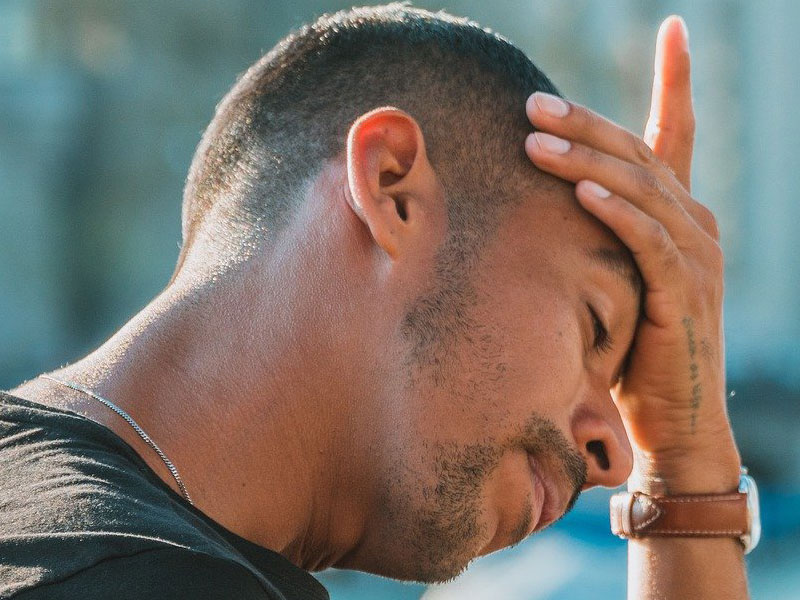

Did you know that hormone imbalance in men can show many of the same symptoms as women do? For whatever reason, we tend to be more familiar with hormone imbalances in women – like PMS or menopause – but men have hormones too. Male hormones can get out of balance just as easily as women’s hormones, especially testosterone.
If you’ve had Covid-19, you might also like to read our post about Covid and low-T levels here (it opens in a new tab so you can read it afterwards).
But in this article, we’ll look first at hormone imbalance in general. Then we’ll look at testosterone in particular and how to treat low testosterone levels in men.
What is Hormone Imbalance in Men?
There are dozens of different hormones running through your body. They each have specific functions in the body. They rely on each other much like a sports team relies on the function of each of its players to make a winning team.
If one player is having a bad day or isn’t as strong as the rest of the team, then the team suffers. Sometimes it’s easy to see where the weakness lies. Other times you just know something is out of whack, and the team isn’t playing as well as they could.
The same thing happens in your body. If you have too much or too little of a hormone, then the other hormones are affected. They may also go out of balance to try to find homeostasis. But what usually happens is your body starts behaving differently, and you start feeling the symptoms of a hormone imbalance.
A hormone imbalance can affect a number of bodily functions, including:
- Sleep Cycles
- Metabolism
- Heart rate
- Reproductive cycles
- Sexual function
- Growth and development
- Mood
- Body temperature
It’s natural for hormone levels to fluctuate, but sometimes they stay consistently out of balance. That’s when you may experience low testosterone symptoms.
Testosterone the Male Sex Hormone
Although testosterone is mostly thought of in relation to men, women have it too. And in fact, the sex hormone most thought of in relation to women, estrogen, is also part of the male hormonal make-up.
What Does Testosterone Do?
- Fuels your sex drive
- Increases and maintains muscle mass
- Regulates your mood
- Regulates bone strength
When you look at this list, it’s pretty apparent what the symptoms of low testosterone in men look like:
- Irritable moods
- Decreased interest in sex
- Decrease muscle mass
- Brittle bones or osteoporosis
- Erectile Dysfunction
Other signs of low testosterone in men are:
- Hot flashes
- Fatigue
- Weakness
- Weight gain or obesity
- Loss of body hair
- Smaller, softer testicles
- Larger breasts
- Depression
Any of these symptoms sound familiar? If you’re over 30, you may have noticed some of these changes in your body and mood. That’s because men naturally lose about 1% of their testosterone per year after they hit their 30s. This is natural but not always desired.
What Else Causes Low Testosterone?
Low testosterone levels in men can also be a result of the malfunctioning of the endocrine glands. Your endocrine system is responsible for producing, storing, and releasing hormones into your bloodstream, so if it begins to malfunction, you’re going to have a hormone imbalance.
Other causes of low-T can include:
- Injury or infection of the testes
- Chemotherapy
- Metabolic disorders
- Dysfunction of or tumors in the pituitary gland
- Medications, including steroids, opioids, and hormones used to treat prostate cancer
- Acute or chronic illness
- Alcohol abuse
- Cirrhosis of the liver
- Chronic renal (kidney) failure
- HIV/AIDS
- Inflammatory conditions
- Kallman syndrome
- Klinefelter syndrome
- High levels of the milk-producing hormone prolactin
- Obesity
- Extreme weight loss
- Uncontrolled type 2 diabetes mellitus
- Congenital defect (present at birth)
- Obstructive sleep apnea
- Estrogen excess
- Previous anabolic steroid abuse
- Severe primary hypothyroidism
- Pubertal delay
- Radiation exposure
- Prior surgery of the brain
Testing for Low-T in Men
Finding the underlying cause of your symptoms is always a better approach than just sticking a band-aid on it. Some of the symptoms of low-T are similar to symptoms of other conditions.
Your doctor may test you for low-T if you have
- erectile dysfunction (ED)
- a very low sex drive
- low sperm count
- loss of body hair
- decrease of muscle mass
- osteoporosis
They may also test you for other conditions to rule them out before setting you up with a course of treatment.
It’s best to perform blood testing for testosterone levels in the early morning when your testosterone levels are at their peak. Your doctor may also want to run a second test a few days later to check for consistency. Some medications and supplements can affect the results, so make sure to let your doctor know what you’re taking.
As for the results? Well, normal testosterone levels fall into the 800 to 1000 nanograms per deciliter (ng/dL) range. Below 500 ng/dL, doctors consider you have Low-T.
Low-T Treatment
Low testosterone isn’t the end of the world – or your sex life. In our game metaphor, all you need to do is send in a pinch hitter or replace the poor player with a better one. In the world of hormones, that’s done with hormone replacement therapy.
Low-T treatment is a form of hormone replacement therapy that boosts testosterone levels. Studies have shown that when you increase testosterone to optimal levels, muscle strength improves, bones are protected, and sex drive goes back up to normal.
A Customized Plan is Best to Treat Low-T
At Nava Health, we’ve found that bioidentical hormone replacement therapy (BHRT) combined with lifestyle and diet changes can safely and effectively restore the hormonal balance and function in your body.
For this reason, our customized treatment plans include
- thorough testing to determine the root cause of your symptoms,
- an in-depth analysis of your complete hormones levels, and
- a complete action plan to bring your body back into balance through BHRT and lifestyle changes for total wellness.
Getting the Treatment You Need for Hormone Imbalances in Men
There are centers out there that advertise Low-T treatments. Make sure you choose one that is treating you as a whole person and not just someone on the factory line. After all, you’re an MVP! What’s essential for optimal results is to choose a professional team who’s seen it all before, knows what you’re going through, and has a solution that they customize to your body and your complete lifestyle.
If you’re experiencing one or more of the symptoms of hormone imbalance in men, you’re not alone – and you have the power to fix the root cause of your problems.