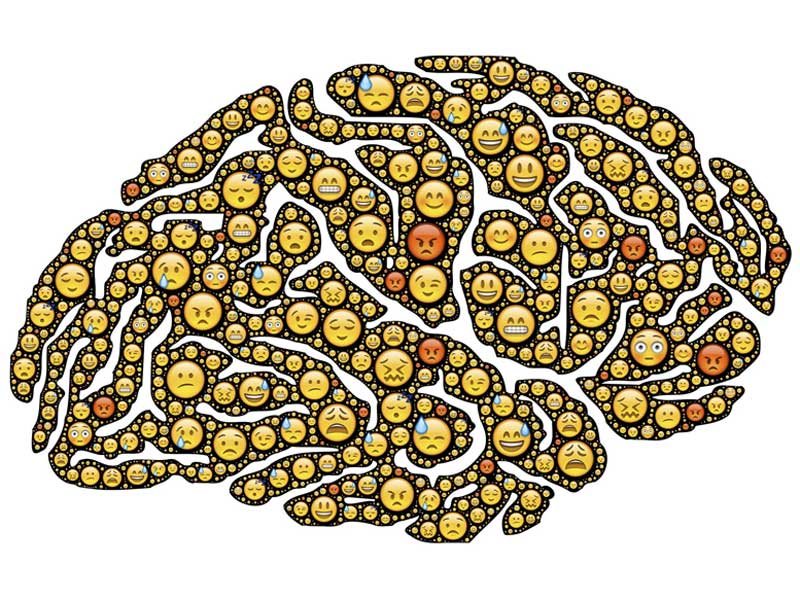
Menopause is often reduced to a stereotype: mood swings, hot flashes, and jokes about “the change.” In reality, menopause is a complex biological shift that reshapes a woman’s hormones, brain chemistry, cardiovascular health, bone density, metabolism, and emotional well‑being over many years. When men understand the truth behind common menopause myths, they become powerful partners in supporting earlier, smarter care and better long‑term health.
What Menopause Really Is (Not Just Mood Swings)
Menopause is defined as the point 12 months after a woman’s final menstrual period, but the transition—perimenopause—can begin years earlier with fluctuating estrogen, progesterone, and sometimes testosterone. These hormonal changes affect multiple systems: sleep patterns, energy, cognition, metabolism, and even cholesterol and blood pressure, not just mood.
For many women, symptoms like mood swings and menopause‑related irritability are just the visible tip of a deeper biological process that also involves changes in bone turnover, insulin sensitivity, and inflammatory pathways. When men and menopause are discussed together, the focus should be on understanding this broader picture, not dismissing symptoms as “just hormones.”
Menopause Myths Men Need to Stop Believing
Several persistent menopause myths prevent couples from taking timely action and getting the right support. These myths can delay early intervention for menopause, allowing subtle issues—like sleep disruption or low mood—to snowball into more serious health concerns.
- Menopause is only about hot flashes and mood swings: In truth, women may experience brain fog, joint pain, weight changes, low libido, anxiety, palpitations, and more, all rooted in hormonal shifts. Treating it as just “mood swings and menopause” ignores symptoms that signal deeper imbalances.
- It only matters for a short time: Perimenopause and menopause can span many years, and their impact on bone, heart, and metabolic health can extend across a woman’s lifetime. Early intervention for menopause can reduce risks and improve quality of life for decades.
- Nothing can really help, you just endure it: Functional medicine for menopause uses advanced lab testing, lifestyle strategies, and targeted therapies to address root causes rather than telling women to “wait it out.”
By replacing menopause myths with science‑based understanding, men can help their partners seek appropriate care sooner and feel more validated in their experiences.
Why Early Intervention for Menopause Matters
Early intervention for menopause means recognizing changes during perimenopause and addressing them before they become severe or chronic. This proactive approach can include hormone testing, assessing thyroid function, nutrient status, inflammation markers, and cardiovascular and metabolic risks that may be influenced by shifting hormones.
From a longevity perspective, acting early supports:
- Brain and mood health: Stabilizing sleep, blood sugar, and hormones can ease anxiety, depression, and cognitive fog associated with mood swings and menopause.
- Bone and heart protection: Estrogen decline is linked to bone loss and changes in cardiovascular risk; thoughtful early intervention for menopause can help protect bone density and support heart health through nutrition, exercise, and targeted therapies.
- Metabolism and weight: Functional medicine for menopause evaluates insulin resistance, gut health, and inflammation to support healthier weight management and energy.
For couples, embracing early intervention for menopause shifts the narrative from reacting to crises to building a long‑term plan for feeling strong, clear‑headed, and connected during midlife and beyond.
How Nava Health’s Functional Medicine Approach Helps
Nava Health offers an integrative, physician‑led model that aligns closely with functional medicine for menopause and long‑term wellness. Instead of focusing only on symptom relief, the Nava Health menopause program uses advanced lab testing, personalized treatment plans, and ongoing follow‑up to address the root causes of each woman’s experience.
Core elements of the Nava Health menopause program include:
- Comprehensive labs and advanced testing: Nava Health evaluates key hormones, metabolic markers, inflammatory indicators, and sometimes specialty tests to map what is actually happening inside the body.
- Personalized treatment planning: Based on these findings, the care team designs a tailored plan that can include bioidentical hormone optimization, targeted supplements, nutrition counseling, stress‑management strategies, and lifestyle changes.
- Holistic menopause treatment: Nava Health integrates services like acupuncture, therapeutic massage, IV therapy, and functional nutrition support to provide truly holistic menopause treatment that addresses both physical and emotional health.
By framing care this way, functional medicine for menopause at Nava Health becomes a collaborative journey, not a one‑time prescription, and men are encouraged to be active partners in appointments, questions, and planning.
The Male Perspective on Menopause: Why Men’s Understanding Matters
Growing research shows that when men learn more about menopause, communication improves and women feel more supported in seeking care. The male perspective on menopause matters because it strongly shapes how couples talk about symptoms, whether they prioritize appointments, and how they share household, parenting, and work responsibilities during a demanding transition.
Men can play a crucial role in:
- Validating symptoms: Instead of dismissing mood swings and menopause‑related fatigue, partners can acknowledge them as signs of real biological change.
- Encouraging early care: Men who understand early intervention for menopause are more likely to support scheduling evaluations and following through with treatment plans like the Nava Health menopause program.
- Supporting lifestyle changes: Because holistic menopause treatment often involves nutrition upgrades, movement, and stress reduction, shared routines—like walking together or planning healthier meals—can make the process easier and more sustainable.
When men and menopause education go hand in hand, couples tend to feel less isolated and more like a team navigating an important health milestone.
How Men Can Support a Partner in Menopause
Practical steps help translate knowledge into daily support and can transform how a couple experiences this transition. Supporting a partner in menopause is not about “fixing” her, but about walking alongside her as she accesses the right care and tools.
Ways men can support a partner in menopause include:
- Listening without minimizing: Treat her symptoms as valid signals, not overreactions or classic menopause myths.
- Learning together: Read educational resources, attend appointments or telehealth sessions through the Nava Health menopause program, and ask questions respectfully.
- Encouraging functional medicine for menopause: Help her explore integrative options like the Nava Health menopause program that look beyond short‑term symptom control to long‑term wellness.
- Sharing healthy habits: Join her in exercise, stress‑reduction practices, and sleep‑friendly routines that are often recommended as part of holistic menopause treatment.
- Advocating for early intervention for menopause: If you notice ongoing mood swings and menopause‑related concerns like insomnia, brain fog, or low energy, gently suggest an evaluation rather than waiting for things to “blow over.”
This kind of consistent involvement reinforces that menopause is a shared life chapter, not a solitary struggle.
Why Choose Nava Health for Menopause Care
Nava Health is a longevity‑focused, integrative practice that blends conventional medical expertise with functional and holistic approaches. The Nava Health menopause program is designed for women who want more than symptom‑only solutions and for couples who see menopause as a chance to invest in long‑term health, not just survive a difficult phase.
Key advantages of choosing Nava Health for functional medicine for menopause include:
- Physician‑led, precision care using advanced data and technology to inform decisions.
- A truly holistic menopause treatment model that combines hormone optimization, nutrition counseling, acupuncture, massage, and other supportive therapies tailored to each person’s goals.
- Flexible access, including online menopause support options, making it easier for busy professionals and partners to stay engaged in care together.
For men who want to move beyond outdated menopause myths, partnering with Nava Health is a meaningful way to support the women they love while embracing early intervention for menopause as part of a larger longevity strategy.
Trending FAQs About Men, Menopause, and Nava Health
- Why should men learn about menopause?
Men who understand menopause are better equipped to support their partners emotionally, practically, and medically, which can improve relationship satisfaction and health outcomes. Awareness also helps challenge common menopause myths that delay care. - Is menopause really more than mood swings and hot flashes?
Yes, menopause affects brain function, metabolism, cardiovascular health, bone density, sleep, libido, and emotional well‑being, not just mood swings and menopause‑related irritability. Treating it as a whole‑body transition is key to long‑term health. - What does “early intervention for menopause” mean?
Early intervention for menopause means assessing symptoms and hormones during perimenopause, performing comprehensive lab work, and starting targeted treatment and lifestyle strategies before issues become severe or chronic. This proactive approach can support brain, heart, bone, and metabolic health over time. - How does functional medicine for menopause differ from traditional care?
Functional medicine for menopause looks for root causes across hormones, gut health, inflammation, stress, and lifestyle, then builds a personalized plan based on detailed testing. Traditional care may focus more narrowly on symptom relief or a single medication. - What is unique about the Nava Health menopause program?
The Nava Health menopause program combines physician‑led care, advanced lab testing, and individualized treatment plans that may include hormone optimization, nutrition counseling, acupuncture, massage, and other integrative therapies. This comprehensive design supports both symptom relief and long‑term wellness. - Can men attend Nava Health appointments with their partners?
Many women benefit when partners join evaluations or telehealth visits, ask questions, and learn about holistic menopause treatment options together. This shared understanding makes it easier to follow through with lifestyle changes and treatment plans at home. - Is Nava Health’s menopause support available online?
Yes, Nava Health offers online menopause programs that connect women with menopause specialists through virtual visits, lab coordination, and digital follow‑up. This makes the Nava Health menopause program accessible for busy couples across the United States. - How can a man start supporting a partner in menopause today?
Begin by listening without judgment, learning about menopause education for men, and encouraging a comprehensive evaluation through a program like Nava Health. Sharing healthy routines and staying engaged as she explores functional medicine for menopause are simple but powerful steps.