It is a story we hear often at Nava Health. You have maintained a healthy lifestyle for years. You eat clean, you stay active, and you have never really had to worry about the number on the scale. Then, almost overnight, everything changes. Despite sticking to your usual routine, you notice the scale creeping up. Even worse, the weight is settling in places it never did before—specifically around your midsection.
If this sounds familiar, you are not crazy, and you are certainly not alone. You are likely experiencing menopause weight gain.
For many women, the transition into menopause brings a frustrating metabolic shift that diet and exercise alone often cannot fix. The culprit isn’t necessarily what you are eating; it is a fundamental change in your biochemistry. In this guide, we will explore the connection between estrogen and weight, why the “hormonal belly” appears, and how Bioidentical Hormone Replacement Therapy (BHRT) can help you regain control of your body.
The Science: Why Does Menopause Cause Weight Gain?
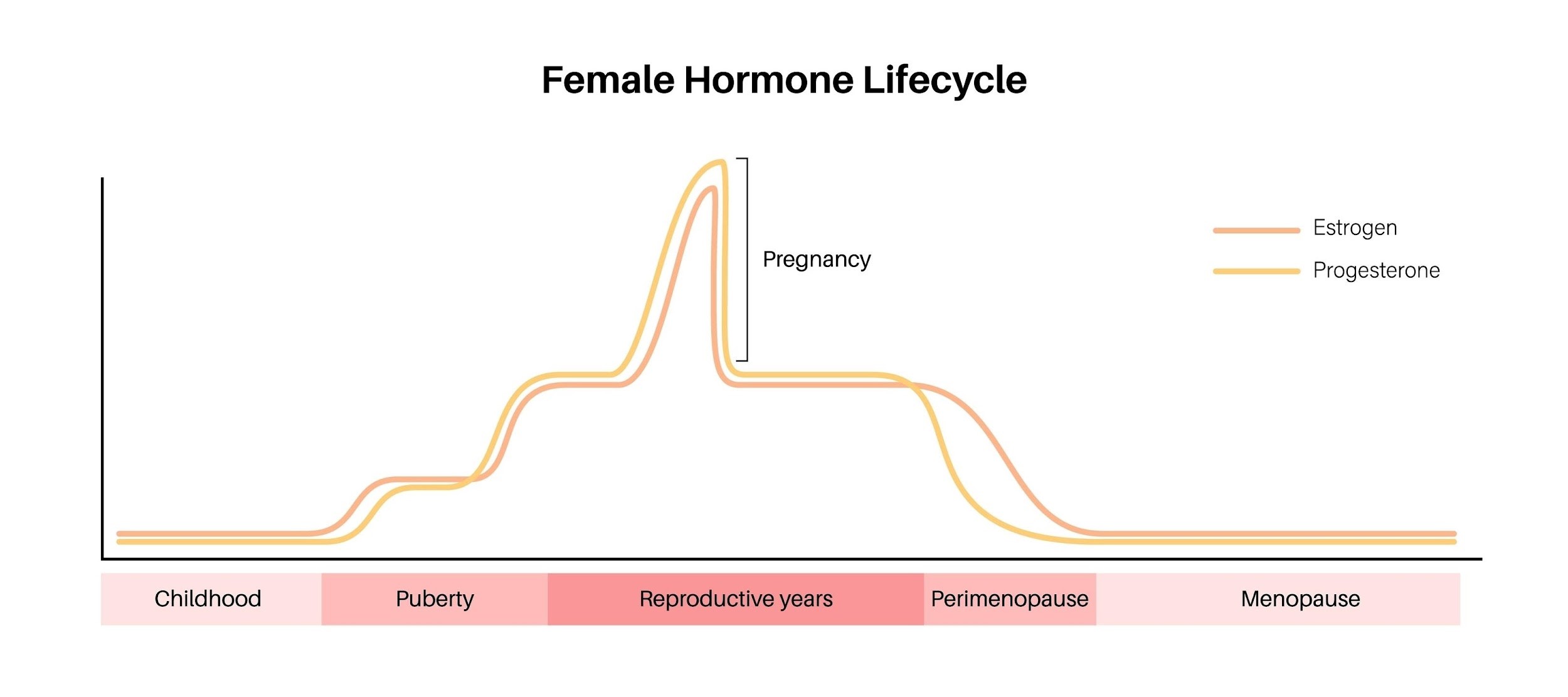
To understand how to fix the problem, we first have to understand the root cause. Menopause is not just the stopping of a cycle; it is a massive overhaul of your endocrine system. As you transition from perimenopause to menopause, your ovaries gradually stop producing key hormones, specifically estrogen and progesterone.
When these levels plummet, your body attempts to compensate in ways that are often detrimental to your waistline.
The Estrogen Connection
Estrogen and weight regulation are deeply intertwined. Estradiol (the potent form of estrogen) helps regulate metabolism and body weight. When estrogen levels drop, your body naturally looks for other sources of estrogen. Interestingly, fat cells can produce a weaker form of estrogen called estrone.
In a biological attempt to preserve hormonal balance, your body may actually hoard fat to keep estrogen levels from hitting zero. This leads to a slower metabolism and an increased tendency to store fat rather than burn it as fuel.
For a deeper dive into these fluctuations, you can read more about hormone imbalance in women on our educational hub.
Insulin Resistance
Estrogen also plays a vital role in how your body handles insulin. Lower estrogen levels can lead to insulin resistance, a condition where your cells don’t respond properly to insulin. Instead of converting glucose into energy, your body stores it as fat. This is a primary driver of menopause weight gain, making it feel impossible to lose weight even if you are cutting calories.
The “Hormonal Belly”: Why the Midsection?
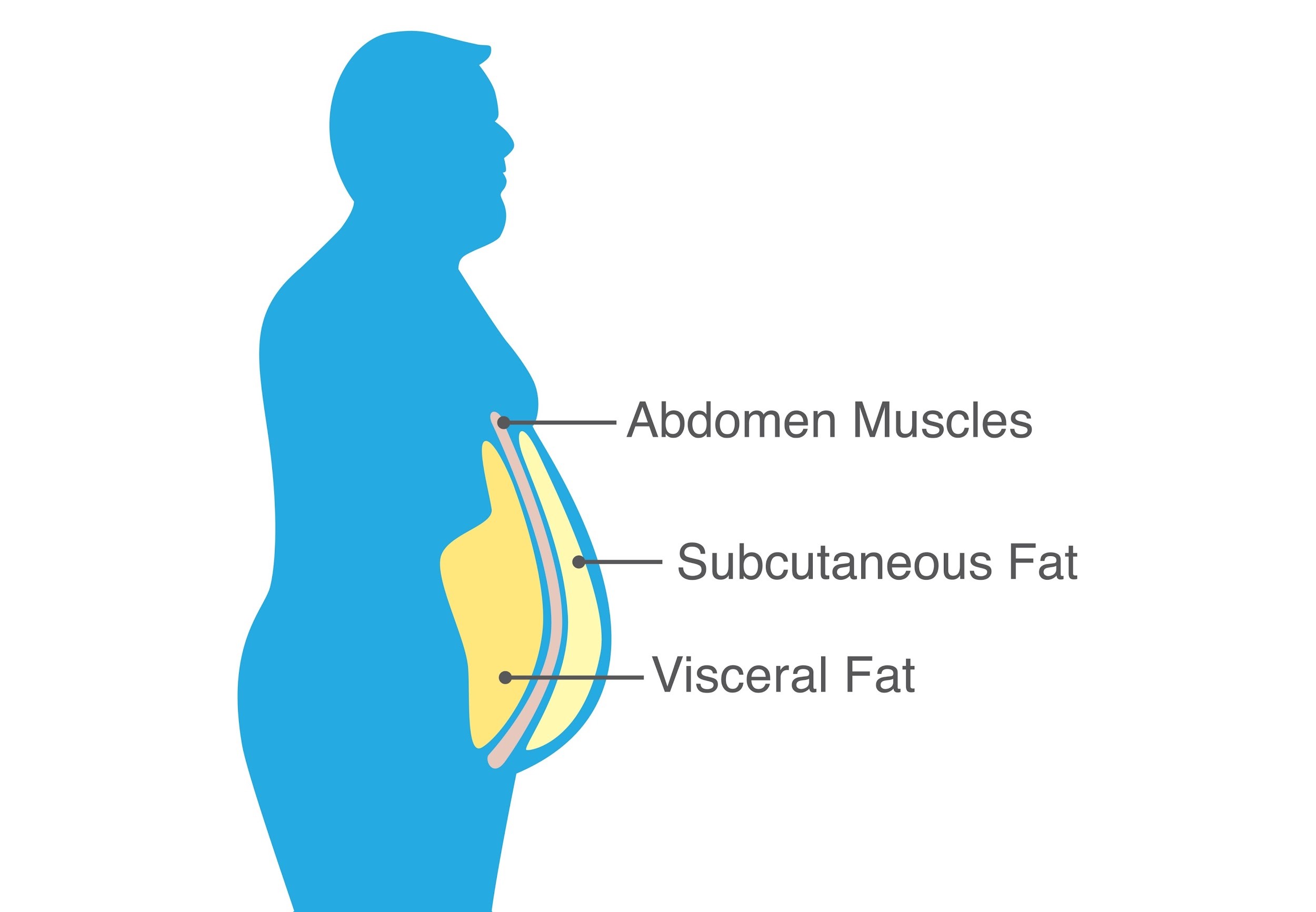
One of the most distressing complaints regarding menopausal weight is the shift in where the fat is stored. Before menopause, many women carry weight in their hips and thighs (subcutaneous fat). After menopause, the drop in estrogen and the relative rise in androgens (male hormones) and cortisol shifts fat storage to the abdomen.
This is often referred to as the hormonal belly.
This visceral fat—deep belly fat that surrounds your organs—is metabolically active. It’s not just “dead weight”; it acts like a toxic organ, releasing inflammatory chemicals and interfering with your hormones further. This creates a vicious cycle: the hormonal imbalance causes belly fat, and the belly fat creates more inflammation and imbalance.
The Cortisol Factor
Menopause is a physical stressor on the body. This stress can elevate cortisol levels. High cortisol triggers the release of sugar into the bloodstream (fight or flight response). If you aren’t physically running away from a tiger, that sugar gets stored as visceral fat. Because the adrenal glands are working overtime to produce hormones that the ovaries have stopped making, adrenal fatigue often sets in, compounding the weight gain issue.
Why “Calories In, Calories Out” Stops Working
If you have been frantically searching for how to lose menopausal weight, you have likely tried eating less and moving more. While a caloric deficit is generally necessary for weight loss, the math changes during menopause.
- Muscle Loss (Sarcopenia): As we age, we naturally lose muscle mass. Since muscle burns more calories than fat at rest, your Basal Metabolic Rate (BMR) drops.
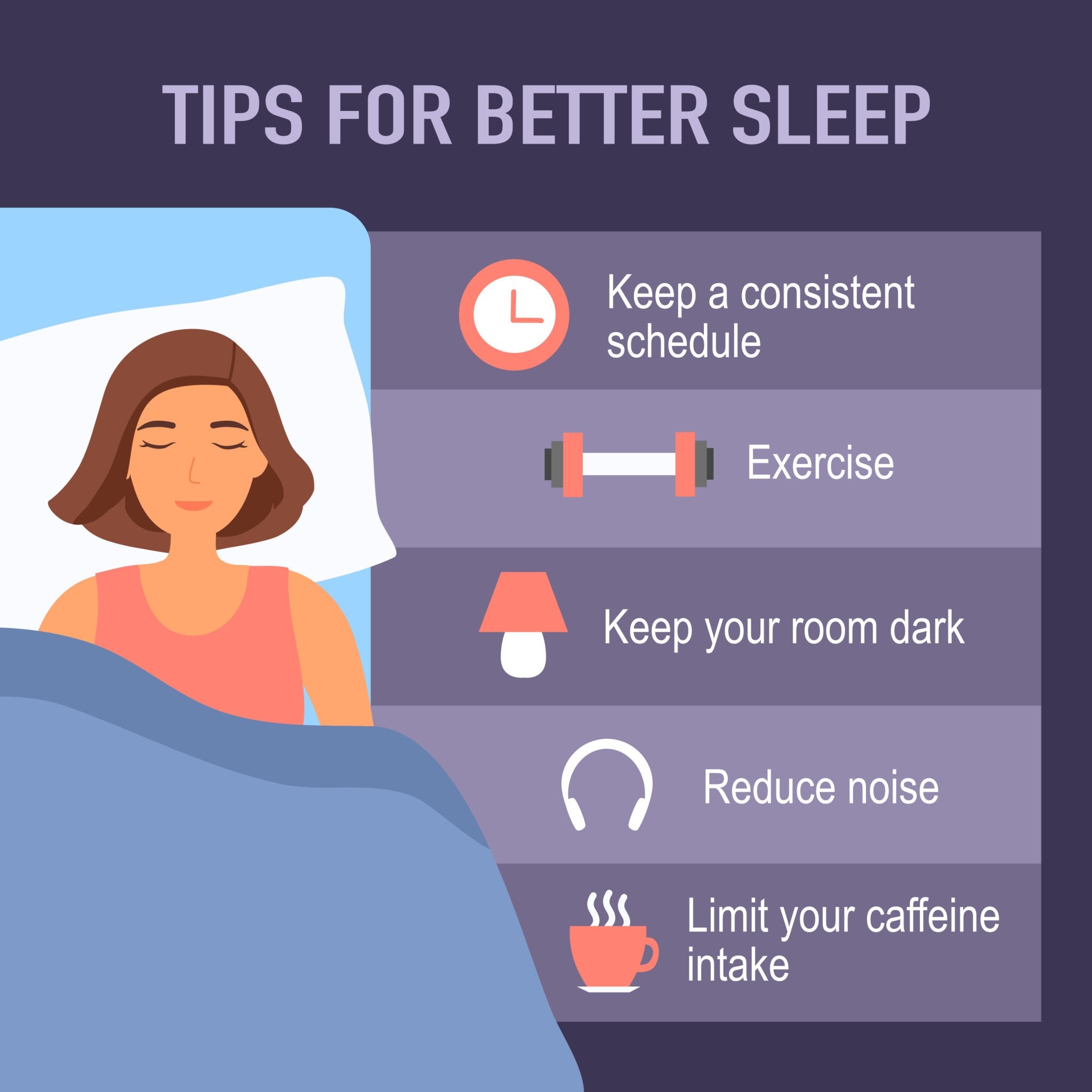
- Sleep Disturbances: Hot flashes and night sweats ruin sleep. Poor sleep increases ghrelin (the hunger hormone) and decreases leptin (the satiety hormone), causing you to overeat the next day.
- Metabolic inflexibility: Without adequate hormones, your body loses the ability to switch easily between burning sugar and burning fat.
This explains why the treadmill sessions that worked in your 30s aren’t making a dent in your 50s. You need a solution that addresses the metabolic machinery itself.
How BHRT Can Help with Weight Gain
This is where Bioidentical Hormone Replacement Therapy (BHRT) comes in. Unlike synthetic hormones, BHRT uses hormones that are chemically identical to those your body produces naturally.
BHRT is not a “magic weight loss pill,” but it is a tool that restores the environment your body needs to lose weight effectively. Here is how BHRT supports weight loss:
1. Restoring Insulin Sensitivity
By optimizing estradiol levels through BHRT, we can improve insulin sensitivity. This allows your cells to accept glucose for energy rather than storing it as fat. When your blood sugar is stable, cravings diminish, and the hormonal belly begins to recede.
2. Reducing Cortisol Dominance
When we balance estrogen and progesterone, we take the pressure off the adrenal glands. This helps lower cortisol levels. With lower cortisol, your body stops perceiving itself as being in a constant state of emergency, allowing it to release stored abdominal fat.
3. Boosting Energy and Metabolism
Fatigue is a major symptom of menopause. By restoring hormone levels, many women experience a surge in energy. This naturally leads to more physical activity—not because you force yourself to exercise, but because you feel like moving again. Furthermore, testosterone therapy (often part of BHRT for women) helps build and maintain lean muscle mass, which revs up your metabolism.
If you are curious about the specifics of treatment, check out our guide on how to balance hormones in menopause.
4. Improving Sleep Quality
BHRT—specifically progesterone—is excellent for sleep. Better sleep regulates your hunger hormones and lowers stress, creating the physical conditions required for weight loss.
The NavaRX Approach: More Than Just Hormones
At Nava Health, we understand that hormones are a massive piece of the puzzle, but they aren’t the only piece. This is why we developed the NavaRX medical weight loss program.
Treating menopause weight gain requires a multi-pronged approach. Simply adding hormones without addressing gut health, inflammation, and nutrition is often insufficient.
- Customized BHRT: We don’t guess; we test. We use advanced diagnostic testing to prescribe the exact dosage your body needs.
- Medical Weight Loss: For some women, incorporating peptides (like semaglutide) alongside BHRT provides the “reset” the metabolism needs.
- Nutritional Support: We guide you toward an anti-inflammatory diet that supports hormone function.
Lifestyle Strategies to Support BHRT
To truly master how to lose menopausal weight, you must pair BHRT with lifestyle changes adapted for your new physiology.
Shift Your Workouts
Cardio is good for the heart, but strength training is the king of fat loss during menopause. Building muscle is the only way to counteract the metabolic slowdown. Aim for 2–3 days of heavy resistance training per week.
Prioritize Fiber and Protein
Protein is essential for muscle maintenance and satiety. Fiber aids in the excretion of metabolized hormones (so they don’t recirculate in your body). Focus on whole foods and consider intermittent fasting if your adrenal health allows it.
Manage Stress Aggressively
You cannot stress your way to weight loss. Meditation, yoga, or simply walking in nature lowers cortisol. Interestingly, longevity studies suggest that how we manage this phase of life matters deeply. Read more about how late menopause is linked to longevity to see the bigger picture of aging well.
Why Choose Bioidentical?
A common question we face is regarding the safety of hormone therapy. The fear stems largely from older studies (like the WHI study) that used synthetic hormones (derived from pregnant mare urine) and synthetic progestins.
At Nava Health, we focus on Bioidentical hormones. These are derived from plant sources (yams and soy) and are identical in molecular structure to human hormones. This allows your body to metabolize them naturally, significantly reducing risks associated with synthetic alternatives. Our practitioners are experts in the field, ensuring your protocol is monitored closely for safety and efficacy.
Conclusion: Take Back Control of Your Body
Menopause weight gain can feel like a betrayal by your own body, but it doesn’t have to be your new normal. The “middle-age spread” is not inevitable—it is a symptom of an underlying imbalance that can be corrected.
By understanding the relationship between estrogen and weight, and utilizing the power of BHRT, you can restore your energy, banish the hormonal belly, and feel like yourself again.
You don’t have to fight this battle alone. At Nava Health, we specialize in integrative approaches that look at the whole person.
Ready to stop the scale from creeping up? Contact Us today to schedule your consultation or explore our NavaRX Medical Weight Loss Services. Let’s get your hormones—and your life—back in balance.
Frequently Asked Questions (FAQs)
Q: Will taking BHRT make me gain weight? A: This is a common myth. While some women may experience temporary fluid retention when starting therapy, BHRT generally helps prevent and reverse weight gain by restoring metabolic balance, improving insulin sensitivity, and helping build lean muscle mass.
Q: How long does it take to see weight loss results with BHRT?
A: BHRT is not an overnight fix. It typically takes a few weeks to balance your levels. Most women report feeling better (more energy, better sleep) within 3–4 weeks, with noticeable changes in body composition and the hormonal belly occurring between 3 to 6 months when combined with a healthy lifestyle.
Q: Can I lose menopause weight without hormones?
A: It is possible, but it is significantly harder. Without the metabolic support of estrogen and the muscle-building support of testosterone, you are fighting against your own physiology. BHRT levels the playing field, making your diet and exercise efforts actually pay off.
Q: Is the NavaRX program safe for women over 60?
A: Every individual is different. At Nava Health, we conduct a comprehensive medical history and blood panel to determine if you are a candidate for BHRT or our medical weight loss programs. We treat women of all ages, tailoring the approach to your specific health profile.