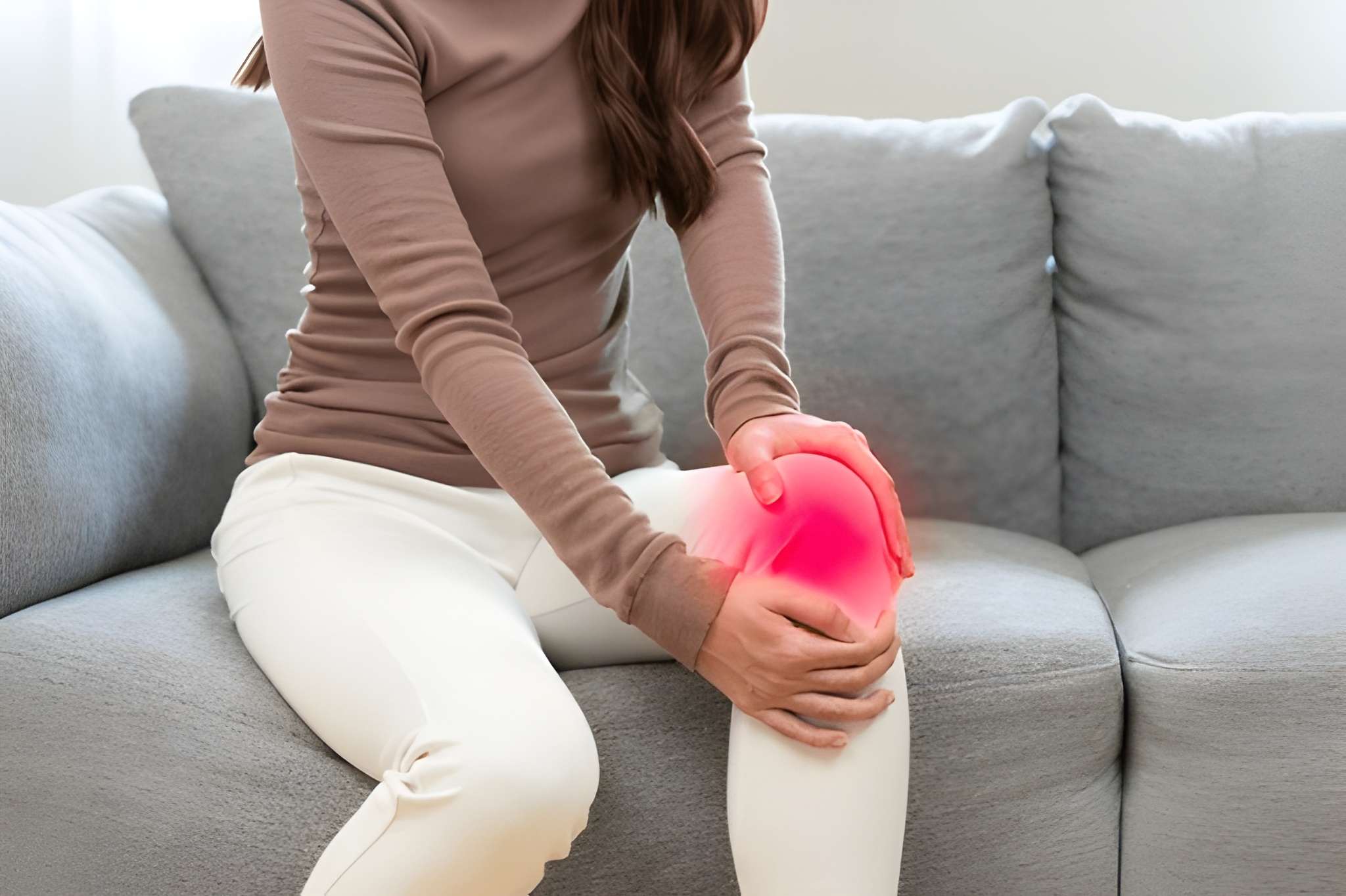
Welcome to a conversation about a common, yet often overlooked, consequence of hormonal change: persistent menopause joint pain and nagging muscle aches. For too long, the narrative around hormonal transitions like menopause has focused almost exclusively on the “Big Three”—hot flashes, night sweats, and mood swings. However, for a significant number of aging individuals, the decline in key hormones like estrogen and testosterone presents itself as chronic discomfort in the knees, hips, hands, and back. It’s a symptom that can dramatically impact quality of life, making simple activities feel like a monumental task.
If you are an aging individual experiencing this frustrating musculoskeletal discomfort, you are not alone. This is not just “getting old”; often, it’s a direct biological consequence of your changing hormone levels.
At Nava Health, we approach wellness by looking at the interconnected systems of the body. In this comprehensive guide, we’ll dive deep into the science behind this surprising symptom. We’ll explore why hormonal imbalances cause menopause joint pain, and most importantly, how a personalized approach to Bioidentical Hormone Replacement Therapy (BHRT) can address the root cause, offering genuine, long-lasting relief. Let’s look beyond the hot flashes and uncover this significant, less-common but treatable symptom of hormonal decline.
You can explore more surprising symptoms on our page: Beyond Hot Flashes: Uncovering the Surprising Menopause Symptoms
The Hormonal Impact on Musculoskeletal Health
The correlation between hormonal decline and increasing physical discomfort is not a coincidence; it’s basic biology. Our sex hormones—primarily estrogen and, to a lesser extent, testosterone—are not just reproductive regulators. They are foundational to the health and maintenance of connective tissues, bone density, and muscle strength throughout the body.
Estrogen and Joint Health: The Protective Shield
Estrogen and joint health have an undeniable, protective relationship. Before menopause, estrogen acts like a natural anti-inflammatory agent and lubricant within the body, especially in the joints.
The Role of Estrogen in Joint Integrity
- Anti-Inflammatory Action: Estrogen helps suppress pro-inflammatory cytokines, which are molecules that drive the painful inflammation often associated with arthritis and general joint wear. When estrogen levels drop during perimenopause and menopause, this natural defense weakens, leading to increased systemic inflammation that targets the joints.
- Cartilage and Synovial Fluid: Estrogen plays a role in maintaining the health and hydration of cartilage, the protective cushioning in the joints, and the production of synovial fluid, the natural lubricant. Lower estrogen means drier, less cushioned joints, which translates directly into stiffness and the characteristic aches of menopause joint pain.
- Bone Density: Though often discussed separately, joint and bone health are intertwined. Estrogen decline accelerates bone loss, which can indirectly affect joint stability and increase the mechanical stress on surrounding tissues.
Testosterone and Muscle Mass: Stability and Support
While estrogen decline is the primary driver of joint pain in women, the simultaneous reduction in testosterone (which occurs in both aging men and women) contributes significantly to muscle aches and general physical weakness.
The Importance of Testosterone for Muscular Comfort
- Maintaining Muscle Mass: Adequate testosterone is crucial for synthesizing protein and maintaining lean muscle mass. As testosterone levels drop, many individuals experience sarcopenia (age-related muscle loss), making them more prone to muscle fatigue, weakness, and persistent aches.
- Joint Support: Strong muscles, particularly those around major joints like the knees and hips, act as natural shock absorbers and stabilizers. When these muscles weaken due to low testosterone, the joints bear more direct load, increasing the friction and pain.
- Healing and Recovery: Testosterone also plays a role in tissue repair and recovery. Lower levels mean that the micro-tears and inflammation from daily activity take longer to resolve, leading to chronic muscle soreness.
To understand how Nava Health customizes treatment, read our guide on:Benefits of BHRT Post Menopause: A Personalized Approach
The Nava Health Solution: Addressing the Root Cause with BHRT
Traditional medicine often treats menopause joint pain and muscle aches symptomatically, relying on over-the-counter NSAIDs (like ibuprofen) or prescription anti-inflammatories. While these offer temporary relief, they fail to address the underlying hormonal deficit that is accelerating the discomfort.
Bioidentical Hormone Replacement Therapy (BHRT) is a sophisticated and personalized approach that directly targets the root cause of these symptoms.
What is BHRT?
BHRT utilizes hormones that are chemically identical—or bioidentical—to the hormones naturally produced by your body. This allows for a more natural and effective interaction with your body’s hormone receptors. Unlike synthetic, one-size-fits-all hormone treatments, Nava Health’s BHRT is personalized based on extensive lab work, symptom assessment, and individual needs.
How BHRT Alleviates Joint and Muscle Pain
By strategically replenishing declining levels of estrogen and or testosterone, BHRT can reverse the cascade of biological events that lead to pain.
1. Restoring Estrogen and Joint Health
For women struggling with menopause joint pain, supplementing with bioidentical estrogen can:
- Reduce Inflammation: It reactivates the body’s natural anti-inflammatory pathways, helping to quiet the systemic inflammation that is contributing to joint pain and arthritis symptoms.
- Improve Lubrication: It helps promote the integrity of cartilage and the production of synovial fluid, effectively cushioning the joints and reducing friction. This leads to reduced stiffness and pain, especially in the mornings.
- Enhance Bone Strength: While a separate goal, healthier bones provide a more stable foundation for the entire musculoskeletal system.
2. Rebuilding Testosterone and Muscle Mass
For both men and women, optimized testosterone levels, as part of a comprehensive BHRT program, can:
- Increase Lean Muscle Mass: Higher testosterone supports muscle protein synthesis, rebuilding lost muscle mass and improving muscle strength. This provides superior support for joints, reducing load and strain.
- Decrease Muscle Aches: Stronger muscles are less prone to strain and fatigue, significantly reducing the generalized muscle aches and pains that often accompany hormonal decline.
- Accelerate Recovery: Improved testosterone levels help tissues repair more quickly after exertion, minimizing chronic soreness.
The Power of Precision at Nava Health
At Nava Health, BHRT is never a guessing game. We use a data-driven process to ensure optimal results:
- Diagnostic Testing: We begin with comprehensive blood panels to assess your current hormonal status, including estrogen, testosterone, progesterone, thyroid, and vitamin levels.
- Symptom Correlation: Your Nava Health practitioner carefully correlates your lab results with your specific symptoms—your menopause joint pain, muscle aches, and any other concerns.
- Personalized Protocol: We create a custom BHRT protocol using bioidentical hormones, often delivered via creams, gels, or pellets, to bring your levels back into an optimal range.
- Ongoing Monitoring: We don’t just set it and forget it. We regularly monitor your hormone levels and adjust your BHRT dose to ensure maximum effectiveness and safety, leading to sustained relief from joint and muscle issues.
Beyond Hormones: A Holistic Approach to Musculoskeletal Comfort
While BHRT is a powerful tool for addressing the hormonal root of menopause joint pain and muscle aches, true, enduring relief requires a holistic strategy. Nava Health emphasizes integrative health, combining BHRT with key lifestyle and supplemental support.
Nutritional Support for Joint and Muscle Health
Certain nutrients act synergistically with optimized hormone levels to reduce inflammation and support tissue repair.
- Omega-3 Fatty Acids: These powerful anti-inflammatories are essential. They work to dampen the inflammatory response that low estrogen might otherwise allow to flourish.
- Vitamin D: Crucial for bone health, Vitamin D also has immunomodulatory properties that can help manage systemic inflammation and is often deficient in aging individuals.
- Magnesium: Essential for muscle function and relaxation. Supplementation can help reduce muscle spasms and cramping, easing muscle aches.
The Importance of Movement
It might seem counterintuitive to move when you are experiencing joint pain, but appropriate, low-impact exercise is vital for maintaining flexibility, strengthening supportive muscles, and improving circulation to the joints.
- Low-Impact Aerobics: Activities like swimming, cycling, and walking keep the joints mobile without excessive pounding.
- Resistance Training: Under the guidance of a professional, targeted resistance training is essential for rebuilding muscle mass and capitalizing on the benefits of increased testosterone levels from BHRT.
- Flexibility and Balance: Practices like yoga and Pilates improve range of motion and core stability, which directly reduces the strain on major joints.
Lifestyle Factors
- Weight Management: Maintaining a healthy weight significantly reduces the mechanical stress on weight-bearing joints (knees, hips, spine), working in tandem with BHRT to relieve pain.
- Sleep Quality: Hormone regulation and tissue repair occur primarily during deep sleep. Addressing sleep issues is a core part of any comprehensive plan to manage chronic aches.
Stop Enduring, Start Rebuilding
Persistent menopause joint pain and chronic muscle aches are more than just a nuisance; they are a roadblock to the active, engaged life you deserve. If you’ve been told your discomfort is “just part of aging” and that anti-inflammatories are your only option, it’s time to seek a deeper, more personalized solution.
At Nava Health, we don’t just treat the symptoms; we treat the whole person by optimizing the internal chemistry that governs your well-being. Our expertly guided BHRT programs are designed to restore the protective power of estrogen and joint health and rebuild testosterone and muscle mass, offering you the genuine relief you’ve been searching for.
Don’t let hormonal decline define your comfort and mobility. Take the first step toward a pain-free, active future.
Get Started Today!
Ready to address the root cause of your menopause joint pain and muscle aches? Book your consultation with the hormone experts at Nava Health to discover your personalized BHRT solution.
Frequently Asked Questions (FAQs)
Q1: Is BHRT safe for treating my menopause joint pain?
A: Yes, when properly administered and monitored by an experienced practitioner, BHRT is a safe and effective treatment. At Nava Health, we use bioidentical hormones and tailor the dosage precisely based on your lab results and symptoms, adhering to the highest standards of safety and care. We aim to bring your estrogen and testosterone levels back to a healthy, balanced range to specifically alleviate symptoms like menopause joint pain and chronic muscle aches.
Q2: How long does it take for BHRT to relieve joint and muscle pain?
A: The timeline can vary, but most individuals begin to notice an improvement in menopause joint pain and muscle aches within 3 to 6 weeks of starting BHRT, with optimal results typically achieved after 3 to 6 months. The initial improvements often include reduced inflammation and stiffness, followed by increased energy and better muscle mass support over time. Consistent monitoring and dosage adjustments are key to achieving the fastest and most sustained relief.
Q3: Does low testosterone cause joint pain in women?
A: While the primary hormonal cause of joint pain in women is often low estrogen and joint health issues, low testosterone significantly contributes to the overall musculoskeletal discomfort. Low testosterone leads to reduced muscle mass and strength. Weaker muscles provide less stability and support for the joints, leading to increased strain, aches, and accelerated degeneration. Addressing both hormones is crucial for comprehensive relief.
Q4: Can muscle aches be a sign of a hormone imbalance?
A: Absolutely. Persistent, generalized muscle aches that don’t seem related to injury or overexertion are a common, yet frequently missed, symptom of hormone imbalance. Declining levels of hormones like testosterone and thyroid can directly impair muscle recovery and maintenance, while low estrogen can increase systemic inflammation, manifesting as chronic muscle soreness and stiffness.
Q5: Will BHRT replace my need for pain medication?
A: For many individuals, BHRT can significantly reduce or, in some cases, eliminate the need for over-the-counter pain relievers to manage menopause joint pain and muscle aches. By treating the underlying hormonal imbalance, BHRT addresses the root cause of the inflammation and muscle weakness, providing a more sustainable solution than simply masking the symptoms. Your Nava Health practitioner will work with you to safely reduce reliance on symptomatic medication.