
If you ask the average person to describe menopause, they will likely paint a picture of a woman frantically fanning herself in a sudden wave of heat. While hot flashes are indeed the hallmark sign, focusing solely on them does a disservice to the complexity of the female body.
For many women, the transition into menopause feels less like a simple biological switch and more like a complete physiological upheaval. You might be sitting in a meeting and suddenly lose your train of thought. You might wake up with aching knees despite not having exercised. You might feel your heart fluttering in your chest while watching TV.
If you have been experiencing these issues, you aren’t imagining things. These are legitimate, albeit lesser-known, menopause symptoms.
At Nava Health, we often see patients who have visited multiple specialists—cardiologists for palpitations, rheumatologists for joint pain, therapists for anxiety—only to be told their tests are “normal.” The missing link often isn’t a disease; it is the systemic impact of hormone fluctuation. In this guide, we will validate your experience and explore the wide-ranging effects of menopause beyond the thermometer.
Why Menopause Affects the Whole Body
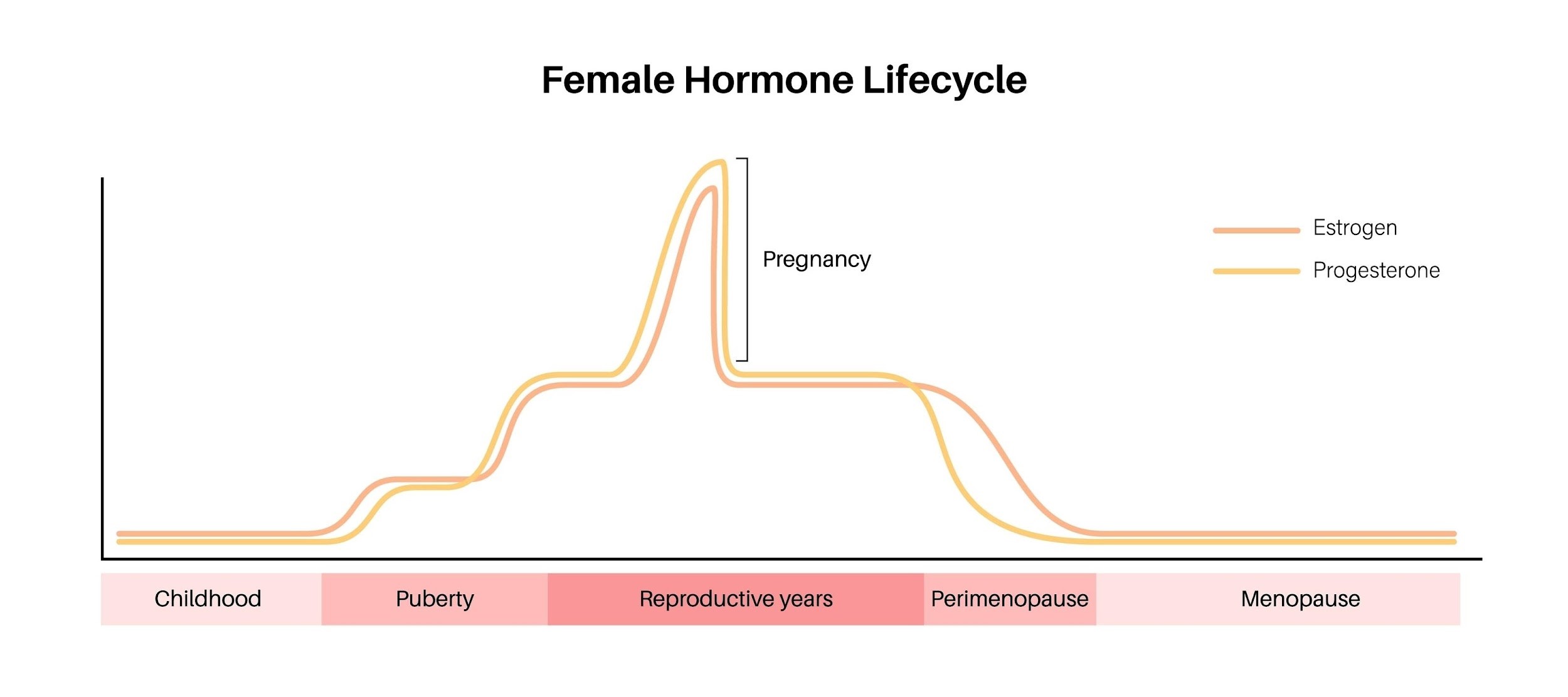
To understand why your symptoms seem so random and disconnected, you have to understand the role of estrogen. We often think of estrogen merely as a reproductive hormone, but it is actually a “master regulator” that interacts with almost every system in your body.
Estrogen receptors are not just located in the ovaries and uterus. They are found in your:
- Brain: Regulating temperature, mood, and memory.
- Bones and Joints: controlling inflammation and lubrication.
- Heart and Blood Vessels: Maintaining elasticity and blood flow.
- Skin: Promoting collagen production.
When estrogen levels drop during perimenopause and menopause, these receptors stop receiving the signals they rely on to function optimally. This withdrawal effect triggers a cascade of inflammatory responses and misfires throughout the body, leading to a diverse range of menopause symptoms.
For a broader look at how these imbalances start, you can read our overview on common menopause symptoms.
The Cognitive Shift: Brain Fog and “Mom Brain”
One of the most frightening symptoms for high-functioning women is cognitive decline. You might find yourself walking into a room and forgetting why you are there, or struggling to recall a word you use every day. This is widely known as brain fog menopause.
This isn’t early-onset dementia; it is a temporary neurological glitch caused by hormonal changes. Estrogen stimulates the brain’s energy production and protects neurons. When it declines, the brain literally has less energy to work with, leading to forgetfulness, lack of focus, and mental exhaustion.
For many women, this feels like a personality shift. If you feel like you are losing your “edge,” we explore this deeper in our article: Can Menopause Cause Personality Changes?
The Musculoskeletal Impact: Joint Pain
“Why do my knees hurt?” is a question we hear frequently. Joint pain (arthralgia) is one of the most common yet under-discussed symptoms of menopause.
Estrogen acts as a natural anti-inflammatory agent. It also helps regulate fluid levels in the body, keeping joints lubricated. As estrogen levels plummet, inflammation rises, and the fluid that cushions your joints decreases. This can lead to stiffness, aches, and reduced mobility, often mimicking arthritis.
This physical discomfort often compounds other issues. If you hurt, you don’t move. If you don’t move, you gain weight. It is a cycle that needs to be broken systemically.
The Emotional Rollercoaster: Anxiety and Mood
Hormones and neurotransmitters are best friends. Estrogen helps regulate serotonin (the “feel-good” chemical) and dopamine. When estrogen drops, so do these mood-regulating chemicals.
This can manifest as sudden, unexplained anxiety. You might feel a sense of dread or nervousness about situations that never bothered you before. This isn’t a character flaw; it is a chemical imbalance.
It is crucial to differentiate between clinical depression and hormonal mood shifts, though they often overlap. If you are feeling consistently low or anxious, evaluating your hormone levels is a critical first step in treatment.
The Scary Symptom: Heart Palpitations
Few things send women to the Emergency Room faster than heart palpitations. A fluttering heart, skipped beats, or a racing pulse can be terrifying.
In perimenopause, fluctuating estrogen levels can overstimulate the cardiovascular system, causing these irregular heartbeats. While you should always get chest pain and heart issues checked by a cardiologist to rule out heart disease, it is often a relief for women to learn that these palpitations are frequently a benign side effect of menopause.
Fatigue: The Exhaustion That Sleep Won’t Fix
Fatigue during menopause is different from being “tired.” It is a bone-deep exhaustion that doesn’t always resolve with a nap. This is often tied to the adrenal glands trying to compensate for the ovaries (adrenal fatigue) or thyroid imbalances that surface during this time.
Managing this requires more than just caffeine. It requires a strategy to support your mitochondria (energy cells). Learn more about our strategies in How to Manage Menopause Fatigue.
Validating Your Experience
If you have been told your symptoms are “all in your head” or just “part of aging,” we want you to know that isn’t true. These are physiological responses to a major biological event.
Interestingly, how we experience menopause can also be linked to when we experience it. There is fascinating research regarding the timing of this transition. For a positive perspective on the timeline, read about how Late Menopause is Linked to Longevity.
Integrative Solutions: Treating the Root Cause
So, if these menopause symptoms are systemic, the treatment must be systemic too. Treating individual symptoms (painkillers for joints, sleeping pills for insomnia) is often just a band-aid.
At Nava Health, we focus on restoring balance.
1. Bioidentical Hormone Replacement Therapy (BHRT)
The most direct way to alleviate symptoms caused by hormone loss is to restore those hormones. By optimizing estrogen, progesterone, and testosterone levels, many women see a reversal in joint pain, brain fog, and anxiety. Read more on How to Balance Hormones in Menopause.
2. Targeted Nutrition and Gut Health
Inflammation drives many of these “hidden” symptoms. An anti-inflammatory diet rich in Omega-3s and antioxidants can soothe aching joints and clear brain fog. We also look at gut health, as the gut produces the vast majority of your body’s serotonin.
3. Natural and Non-Hormonal Options
Not every woman is a candidate for BHRT, and some prefer natural routes. From acupuncture to targeted supplementation (like Black Cohosh or Magnesium for palpitations), there are effective protocols available. Explore our guide on Natural Menopause Treatment.
Conclusion: You Know Your Body Best
The most important takeaway is this: You are the expert on your own body. If you feel off, if you are in pain, or if you feel like a stranger in your own skin, do not settle for dismissal.
Menopause symptoms go far beyond the occasional hot flash. They touch every aspect of your physical and mental health. But with the right support, they are manageable, and often reversible.
At Nava Health, we listen to the symptoms you aren’t talking about. We look at the whole picture—hormones, gut, heart, and mind—to build a roadmap that leads you back to feeling like yourself.
Ready to find answers for your symptoms? Contact Us today to schedule a comprehensive consultation. Whether you are interested in BHRT or functional nutrition, we have a solution for you.
Frequently Asked Questions (FAQs)
Q: Can menopause cause dizziness or vertigo?
A: Yes. Changes in estrogen can affect the inner ear and the brain’s processing of balance, leading to episodes of dizziness or vertigo. Blood sugar fluctuations, which are common during menopause, can also contribute to lightheadedness.
Q: Are heart palpitations during menopause dangerous?
A: In most cases related to menopause, they are harmless. However, because heart disease risk increases after menopause, you should always consult a doctor to rule out other conditions. If your heart remains healthy, balancing hormones often stops the palpitations.
Q: Will “brain fog” lead to Alzheimer’s?
A: Menopausal brain fog is typically temporary and does not mean you are developing dementia. It is a result of the brain adjusting to lower estrogen levels. Lifestyle changes and BHRT can significantly improve cognitive function.
Q: Why do I have new allergies or skin rashes?
A: Estrogen regulates the immune system and histamine levels. Lower estrogen can lead to higher histamine production, making you more sensitive to allergens, foods, or skin irritants that never bothered you before.